
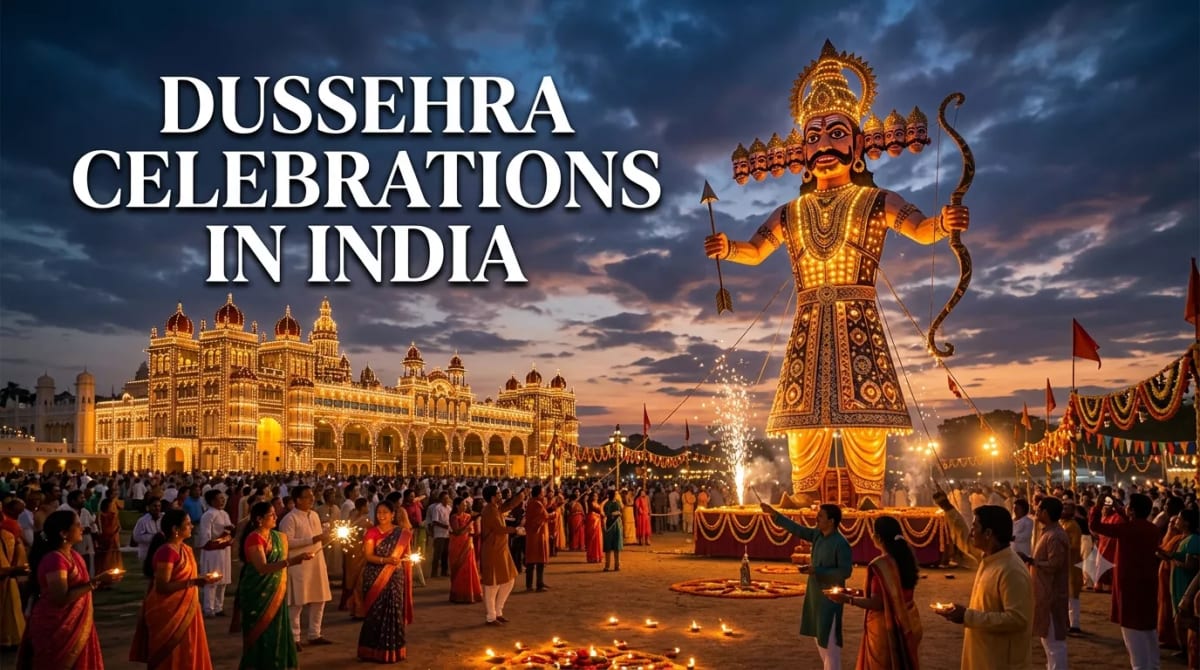
Discover how Dussehra 2026 is celebrated across India, from Kolkata's Durga Puja and Gujarat's Garba to Kullu Dussehra, Mysuru Dasara, Bastar Dussehra and Kota Dussehra Mela. This travel guide covers major festival dates, unique regional traditions, the best places to visit, travel tips, and how to plan a memorable Dussehra trip in India.
One Festival, Eleven Different Stories
Ask someone in Kolkata what Dussehra means to them, and be ready to lose the next twenty minutes. They will tell you about pandal-hopping that stretches till 2 AM, about the thump of the dhak, about smoke curling off a dhunuchi and a city that simply refuses to sleep.
Now ask someone in Kullu. You will hear about something completely different: nearly two hundred village gods, carried down from the hills on the shoulders of their devotees, arriving in a single meadow to greet a deity who is older than most of the town's buildings.
Ask a family in Bastar, and you might get the most surprising answer of all. Their Dussehra has been running for about two months, it is built around a goddess rather than a god, and Ravana does not appear anywhere in the story.
That is the strange, wonderful thing about this festival. The central idea, that good wins over evil, never changes. But almost everything wrapped around that idea changes the moment you cross a state border. In the north and the west, the story belongs to Lord Rama and his victory over Ravana. In the east and the south, it belongs to Goddess Durga and her battle with the buffalo demon Mahishasura. And in a few corners of the country, it belongs to neither. It is an older, earthier tradition, rooted in forests, tribes and local gods, that just happens to share a date on the calendar.
This year, Vijayadashami falls on 20 October 2026, with Navratri beginning on 11 October. If you have ever wanted to see India through its festivals, this is the one that will show you how many Indias there really are. So here is a state-by-state look at how Dussehra is actually celebrated, what makes each version different, and which ones are worth building a trip around.
1. West Bengal: Durga Puja, India's Biggest Open-Air Art Show
Dates: 17–21 October 2026
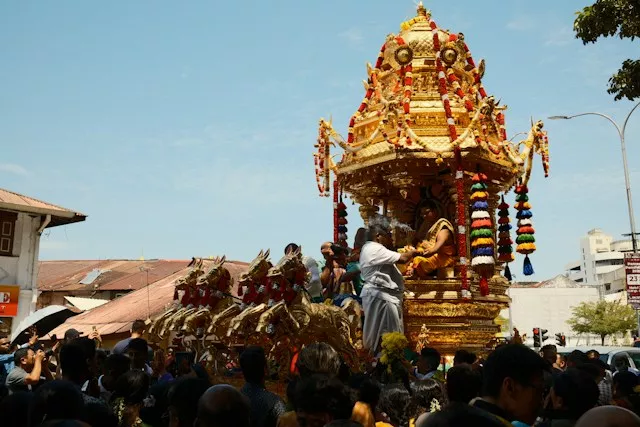
Strictly speaking, Bengal does not celebrate Dussehra at all. It celebrates Durga Puja, a five-day affair that just happens to end on Vijayadashami. But try telling that to anyone who has walked through Kolkata in the middle of it.
Neighbourhood clubs spend months, sometimes the better part of a year, building pandals. These are temporary structures that house the idols of Durga and her children, and the themes are wild. One year a pandal looks like a medieval palace, the next it is built entirely out of clay pots, bamboo or recycled fabric. By the time the festival arrives, going from one pandal to the next feels less like a religious outing and more like touring a city-wide art exhibition that happens to be open all night.
Then there is the sound. The dhak, a large leather drum, sets the rhythm of the whole festival, and the dhunuchi dance, where performers spin with burning incense pots in their hands, is the picture most people carry of Kolkata's Puja nights. On the last day, Sindur Khela sees married women smear vermilion on one another before the idols are taken to the river for immersion.
UNESCO added Durga Puja in Kolkata to its list of Intangible Cultural Heritage of Humanity in 2021, which tells you something about how far it goes beyond a festival.
Our tip: Do not try to see everything. Pick a cluster of pandals in one part of the city, eat a lot of phuchka, kathi rolls and bhog khichuri, and let the night take you where it wants.
2. Gujarat: Nine Nights That Never Stop Moving
Dates: 11–20 October 2026
If Bengal is about looking, Gujarat is about moving. Dussehra here arrives at the tail end of Navratri, nine nights of nonstop dancing.
It begins with Garba, where dancers form circles around a lit lamp or an image of the goddess, clapping in rhythm and slowly picking up speed. Then comes Dandiya Raas, where pairs strike painted sticks against each other mid-step. Chaniya cholis and kedias come out in full colour, mirror work flashes under the lights, and the dancing often goes well past midnight. Some of the largest Navratri grounds in the country host tens of thousands of dancers on a single night.
And then comes the morning after, with its own small ritual. Queues form outside sweet shops for fafda and jalebi, a pairing so tied to Dussehra that skipping it feels wrong to most Gujaratis. Crisp, salty gram-flour fafda, sweet syrupy jalebi, and a pile of papaya chutney on the side. It is one of the best breakfasts in India, and it only really belongs to this one morning.
Our tip: Ahmedabad and Vadodara have the biggest and best-known Garba grounds. If you can, learn the basic steps before you go. No one minds a beginner, but you will enjoy it far more.
3. Himachal Pradesh (Kullu): A Gathering, Not a Burning
Dates: 21–27 October 2026
Kullu does something that surprises almost everyone. Its Dussehra begins on Vijayadashami, which is the very day everyone else wraps up.
There is no giant Ravana effigy. There are no fireworks stuffed into papier-mâché demons. Instead, villages from all over the Kullu valley carry their local deities down from the surrounding hills in ornate palanquins, sometimes after walking for days. They converge at Dhalpur Maidan to pay respects to Lord Raghunath, the presiding deity of the valley, and the sight of hundreds of gods, brass trumpets, drums and costumed villagers filling a single meadow is unlike anything else on this list.
The festival has been held for more than three and a half centuries, and it still feels more like a family reunion of the mountains than a tourist event. The week ends with Lanka Dahan on the banks of the Beas river, where a modest pile of dry branches stands in for Ravana's kingdom and is set alight. It is humble, and strangely moving because of it.
Our tip: Kullu is also a fantastic base for the rest of the valley. Pair it with Manali, Kasol or Naggar, and visit in late October when the autumn light on the mountains is at its best. It will be cold, so pack properly.
4. Delhi: Fire, Fireworks and Ram Leela Everywhere
Dates: 11–20 October 2026
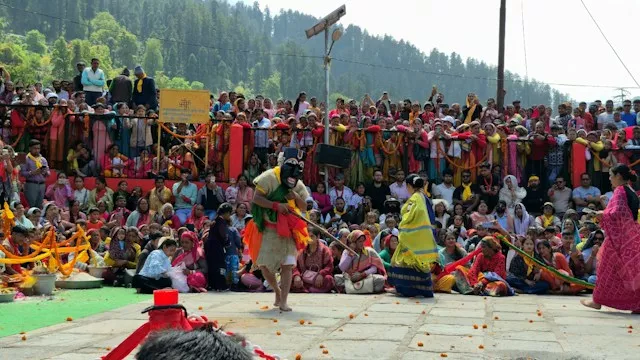
Delhi treats Dussehra as full-scale public theatre. In the days leading up to the festival, Ram Leela troupes perform the Ramayana in parks and grounds all over the city, from the historic Red Fort lawns to small colony parks where the actors are somebody's neighbours.
Then comes the finale, and it is impossible to miss. Giant effigies of Ravana, Meghnad and Kumbhakarna, packed with fireworks, are set alight in front of enormous crowds. The ground shakes, the sky turns orange, and the crowd cheers as the head of Ravana falls.
It is loud, crowded and chaotic, and arguably the most accessible version of Dussehra for a first-time visitor. So many grounds across the capital host their own burning that you rarely have to travel far to find one.
Our tip: Reach the ground at least an hour before the burning, carry minimal belongings, and keep a plan for getting home. The roads around the bigger grounds fill up fast.
5. Punjab: A Quieter, More Devotional Week
Dates: 11–20 October 2026
Punjab's Dussehra turns inward. For most of the nine days of Navratri, many families fast, and many hold jagrata, overnight vigils where devotional songs to the goddess carry on until sunrise.
On the eighth or ninth day, many homes also observe kanjak puja. Young girls are invited in, their feet are washed, and they are served puri, halwa and black chickpeas. It is a ritual that treats them as living forms of the goddess, and it is one of the most touching traditions you can witness anywhere in the country.
Only on Dussehra itself does the mood shift toward the more familiar public celebration, with effigies burned in open grounds across towns and cities.
Our tip: If you travel here, plan around the family side of the festival. Staying with local hosts or visiting temples like the Durgiana Temple in Amritsar will give you a very different view from the effigy-burning crowds.
6. Uttar Pradesh (Varanasi): A Living Epic
Dates: 11–21 October 2026
Varanasi does not do one Ram Leela. It does dozens, staged by neighbourhood committees across lanes and grounds, and some of them run for weeks.
The most famous is at Ramnagar, just across the Ganga from the main city. It is performed over 31 nights, almost entirely without stage lighting or microphones. The audience walks from one location to the next, following the actors, and the whole town becomes the stage. It is a tradition that local performers have kept alive for nearly two centuries, and it is a rare chance to see the Ramayana told the way it once was, by torchlight and sheer voice.
On Dussehra evening, effigies burn across the city. And soon after, Nati Imli hosts Bharat Milap, the emotional reunion of Rama and his brother Bharata, staged on the same ground for over four hundred years. Thousands gather to watch it, and if you are standing in the crowd when the brothers embrace, it is hard to stay unmoved.
Our tip: Pair the Ram Leela with an evening Ganga Aarti at Dashashwamedh Ghat and a morning boat ride. Few cities let you see so many layers of living tradition in a single day.
7. Chhattisgarh (Bastar): A 75-Day Festival With No Ravana
Dates: 12 August–27 October 2026
If you only visit one place on this list, and you want something nobody else in your friend group has seen, make it Bastar.
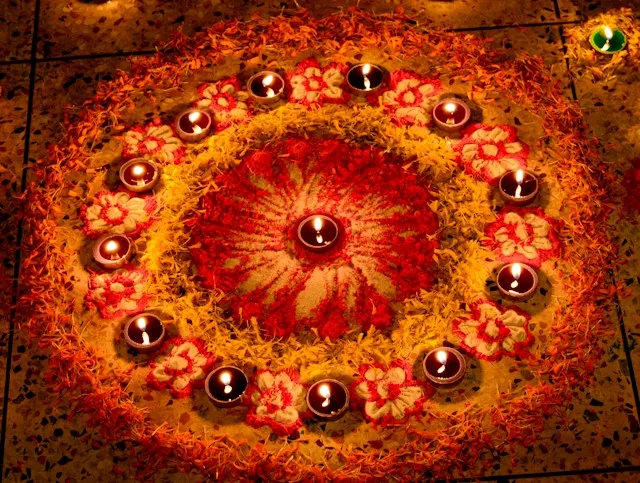
Bastar's Dussehra has almost nothing in common with the rest of India's version beyond the name. It honours Devi Danteshwari, the tutelary goddess of the region. It runs for roughly 75 days, making it one of the longest festivals anywhere in the world. And there is no Rama-Ravana narrative whatsoever.
It opens with pata jatra, the ritual worship of the wood that will be used to build the festival's giant wooden chariot. It includes Kachan Gadi, where a young girl is seated on a swing made of thorny branches and is believed to channel the goddess's blessing. And it closes with the Muria Durbar, where tribal headmen still bring community matters before the descendants of the old royal family, a living remnant of a governance system that has lasted for generations.
It is raw, deeply local and nothing like a tourist event. That is exactly why it is worth seeing.
Our tip: Bastar rewards slow travel. Add Chitrakote Falls, Tirathgarh Falls and the Kanger Valley National Park to your trip, and go with an operator who understands the local community and its customs.
8. Karnataka (Mysuru): A Royal Procession
Dates: 11–21 October 2026
Mysuru's Dasara is built on a different register of spectacle. It is royal, grand and unapologetically theatrical.
The centrepiece is the Jumbo Savari, a grand procession on Vijayadashami with decorated elephants, cultural performances, tableaux and music, winding through the city. Behind it all, Mysuru Palace glows, lit by roughly 100,000 bulbs, and every evening during the festival the whole complex looks like something out of a storybook.
The festival marks Goddess Chamundeshwari's victory over the demon Mahishasura, the very demon from whom the city takes its name. And the whole affair carries the weight of its Wadiyar dynasty origins. It does not feel like a purely religious event. It feels like a city remembering its own history in public.
Our tip: Book your stay early. Mysuru fills up months in advance for Dasara. Pair it with Srirangapatna, Chamundi Hill and the Brindavan Gardens for a full trip.
9. Rajasthan (Kota): A 25-Day Fair Around the Fire
Dates: 20 October–6 November 2026
Kota turns Dussehra into a proper month-long mela, and it is one of the most underrated festival experiences in the country.
For 25 days, the grounds fill with folk music, Kavi Sammelan and mushaira sessions, craft stalls, rides and food stalls. It feels like an old-fashioned Indian fair, the kind your grandparents might have described, with lights, noise, music and the smell of hot jalebis in the air.
It all builds toward Ravan Dahan, where the effigies here routinely top 75 feet, among the tallest burned anywhere in the country. When one of those goes up, you can feel the heat from hundreds of metres away.
Our tip: Combine Kota with Bundi, Chittorgarh and Udaipur for a proper Rajasthan trip. Late October is also lovely weather-wise across the state.
10. Tamil Nadu: A Festival You Celebrate Indoors
Dates: 11–20 October 2026
Tamil Nadu offers the quietest and most intimate Dussehra on this list, and perhaps the most charming one.
It plays out mostly inside people's homes. Families build Golu, tiered displays of clay dolls depicting gods, goddesses and scenes from mythology. Some arrangements are modest. Others fill entire rooms and have been passed down and expanded over generations. During Navratri, people visit each other's homes to admire the displays, exchange sweets and small gifts, and sing devotional songs.
There is no large public gathering to plan around. The celebration is the act of opening your home and visiting your neighbours'. If you are lucky enough to be invited into one, say yes.
Our tip: For visitors, temple cities like Madurai, Kanchipuram and Thanjavur are wonderful during Navratri. Many temples organise their own Golu displays and cultural programmes during the nine nights.
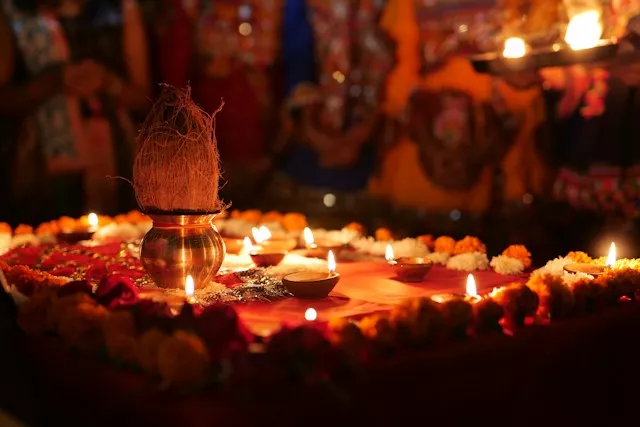
11. Ayodhya: The Story, Told Where It Began
Dates: 20 October–6 November 2026
Everywhere else in India, Dussehra celebrates Rama's victory from a distance. In Ayodhya, the city where he was born and ruled, the story is local.
Ram Leela performances lead up to Vijayadashami, when effigies of Ravana, Kumbhakarna and Meghnad are burned. Pilgrims fill the ghats of the Sarayu river, and the lanes around Ram Mandir buzz with devotion.
And the story does not really end there. Rama's return to Ayodhya gets its own celebration roughly twenty days later, when the city lights up for Deepotsav during Diwali. So if you want to see the full arc of the Ramayana, Dussehra and Diwali, in the one place where it all happened, Ayodhya is where you do it.
Our tip: Visit early in the morning for darshan, walk the Sarayu ghats at sunset, and plan for crowds. The festival season is the busiest time of year.
Dussehra 2026 Celebration Dates & Detials
State / City | Festival Name | Dates (2026) | Best For |
|---|---|---|---|
West Bengal (Kolkata) | Durga Puja | 17–21 October | Art, pandals, food, night walks |
Gujarat | Navratri and Dussehra | 11–20 October | Garba, Dandiya, street food |
Himachal Pradesh (Kullu) | Kullu Dussehra | 21–27 October | Folk culture, mountains, deity processions |
Delhi | Ram Leela and Ravan Dahan | 11–20 October | First-timers, big crowds, fireworks |
Punjab | Navratri, Jagrata, Kanjak | 11–20 October | Devotional, family-centred traditions |
Uttar Pradesh (Varanasi) | Ramnagar Ram Leela | 11–21 October | Living theatre, heritage |
Chhattisgarh (Bastar) | Bastar Dussehra | 12 August–27 October | Tribal culture, offbeat travel |
Karnataka (Mysuru) | Mysuru Dasara | 11–21 October | Royal spectacle, palace, elephants |
Rajasthan (Kota) | Kota Dussehra Mela | 20 October–6 November | Fairs, folk music, giant effigies |
Tamil Nadu | Navratri Golu | 11–20 October | Home traditions, temples, culture |
Uttar Pradesh (Ayodhya) | Ram Leela and Vijayadashami | 20 October–6 November | Pilgrimage, the story at its source |
With eleven options, it helps to ask yourself what you actually want.
You want spectacle and scale. Pick Delhi, Mysuru or Kota.
You want art, food and endless nights. Pick Kolkata.
You want to dance until your feet hurt. Pick Gujarat.
You want something rare and offbeat. Pick Bastar or Kullu.
You want depth, heritage and storytelling. Pick Varanasi or Ayodhya.
You want quiet, family-centred traditions. Pick Punjab or Tamil Nadu.
If you are travelling with a group, whether that is friends, family, a college batch or a corporate team, the best choice is usually the one with the most to do around the festival itself. Kota, Kullu and Mysuru all pair beautifully with nearby sights.
Note: Festival dates, event schedules and celebration timings may vary by city, locality, temple and organising committee. We recommend checking the latest official announcements before planning your visit. For help with trip planning, travel arrangements or destination-related queries, you can also connect with the TravelTech team for assistance.
Best Time to Visit: Booking and Weather Tips
Dussehra falls in October, which is one of the best travel months in India. The monsoon has withdrawn, skies are clear, and most of the country sits in the sweet spot between heat and winter.
Mountains (Kullu, Manali, Kasol): Pleasant days, cold nights. Carry proper woollens.
Plains (Delhi, Varanasi, Ayodhya, Punjab): Warm days, comfortable evenings. Light cottons with a thin layer for the night.
Rajasthan and Gujarat: Mild and dry, with warm afternoons and cool evenings.
South (Mysuru, Tamil Nadu): Pleasant, with the chance of a stray evening shower.
Book early. Train tickets on popular routes open 60 days before departure, hotels in festival cities sell out quickly, and flight fares rise sharply in the week around Vijayadashami. If you are planning for a group, start at least four to six weeks in advance.
How to Reach: A Quick Guide From Indore
Most of our group departures begin in Indore, so here is the broad picture.
Rajasthan (Kota, Udaipur, Jodhpur): Good rail and road connections from Indore. Kota is well connected by train, and a road trip to Udaipur is a pleasant overnight journey.
Gujarat: Ahmedabad and Vadodara are reachable by train, road and short flights.
Himachal (Kullu, Manali): Fly or take a train to Delhi or Chandigarh, then continue by road. Volvo buses from Delhi to Manali are a popular option.
Delhi, Varanasi, Ayodhya: Direct trains and flights are available from Indore on most days.
Mysuru, Kolkata, Bastar, Tamil Nadu: Best reached by flight to Bengaluru, Kolkata, Raipur or Chennai respectively, followed by a train or road leg.
Always check train and flight availability early. Festival dates push demand sharply upward.
What to Eat During Dussehra
Festival food is half the reason to travel, so here is a quick cheat sheet.
Kolkata: Phuchka, kathi rolls, bhog khichuri, labra and mishti doi.
Gujarat: Fafda-jalebi, dhokla, khandvi and undhiyu.
Punjab: Kanjak puri, halwa and kala chana, along with the usual langar warmth.
Delhi: Chaat, kachori, jalebi and chole bhature at the Ram Leela grounds.
Varanasi: Kachori-sabzi, malaiyo and a hot cup of chai on the ghats.
Mysuru: Mysore pak, filter coffee and dosa.
Kota: Kachori, mawa sweets and fair-ground snacks.
Travel Tips for Festival Season
Book early. Hotels and trains in festival cities sell out weeks ahead.
Dress for the crowd. Comfortable shoes, light clothes and a small bag will serve you better than anything else.
Respect local customs. Many rituals are deeply personal. Ask before photographing, especially inside temples and during processions.
Plan buffers. Roads close, crowds slow everything down, and the best moments are often unplanned.
Travel with people who know the ground. A good local guide or trip captain can make the difference between watching a festival and actually understanding it.
Where TravelTech Can Take You This Dussehra
A handful of these celebrations line up neatly with trips we already run.
Our Rajasthan group packages route through the state during its biggest festive months, which makes late October a genuinely good time to combine Jodhpur's forts or Udaipur's lakes with a detour to Kota's month-long Dussehra mela.
If the hills are more your pace, a Manali-Kasol trip timed around late October puts you within reach of Kullu's valley-wide gathering of deities, a festival that is rarely described accurately outside Himachal.
👉 Browse TravelTech's Rajasthan Tour Packages to time a trip around Kota's Dussehra Mela.
👉 Explore all TravelTech Group Trips to find a festive-season departure that fits your dates.
👉 Message us on WhatsApp if you want a custom itinerary built around a specific state's Dussehra celebration. Corporate groups, college trips and family groups are all welcome.
A Closing Thought
You can spend a lifetime travelling across India and never see the same Dussehra twice. In one state it is a dance, in another a drumbeat, in another a royal procession, in another a quiet doll display in a living room. The festival changes shape, language and rhythm every few hundred kilometres, and yet somehow the feeling stays the same: a little more light, a little more hope, a little more reason to gather.
Pick one this year. Go and see it with your own eyes.
728 × 90 — Leaderboard
❓ Frequently Asked Questions
Which state has the most famous Dussehra celebration?
Can TravelTech plan a trip around a specific state's Dussehra celebration?
What is the Kota Dussehra Mela?
Is Dussehra celebrated the same way across all of India?
Where can I see a Ravan Dahan (effigy burning) in India?
Why does Kullu celebrate Dussehra after everyone else has finished?
When is Durga Puja 2026 in West Bengal?
📚 Related Guides
More Travel Stories
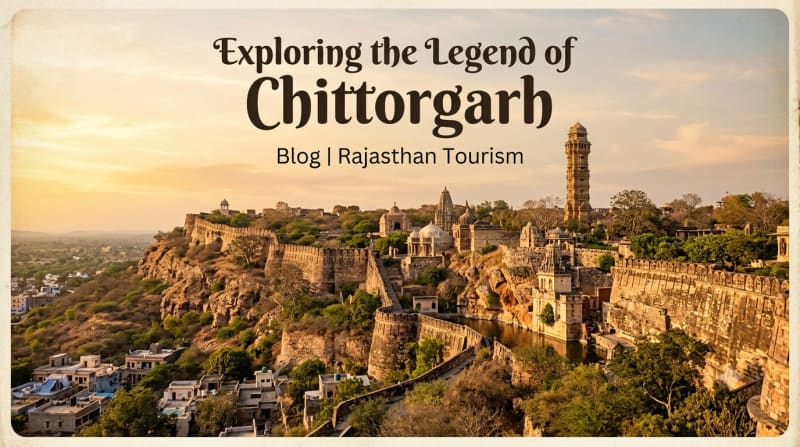
Chittorgarh Fort: History, Three Sieges, Vijay Stambh, Padmini Palace & Visitor Guide
Chittorgarh Fort explained: Mewar history, three famous sieges, Vijay Stambh, Rana Kumbha Palace, Meera Temple, Gaumukh Kund, timings, tickets and tips.
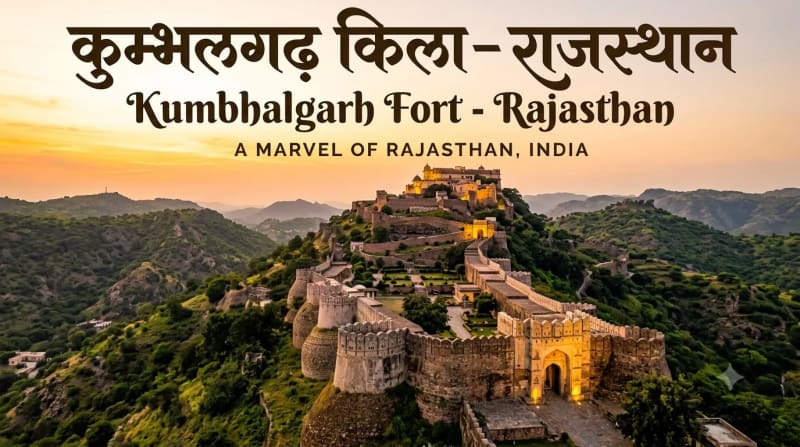
Kumbhalgarh Fort: History, 7 Gates, Temples, Badal Mahal & Complete Visitor Guide
Kumbhalgarh Fort explained using ASI information boards: Rana Kumbha's history, seven gates, Neelkanth and Parsvanatha temples, Badal Mahal and visit tips.
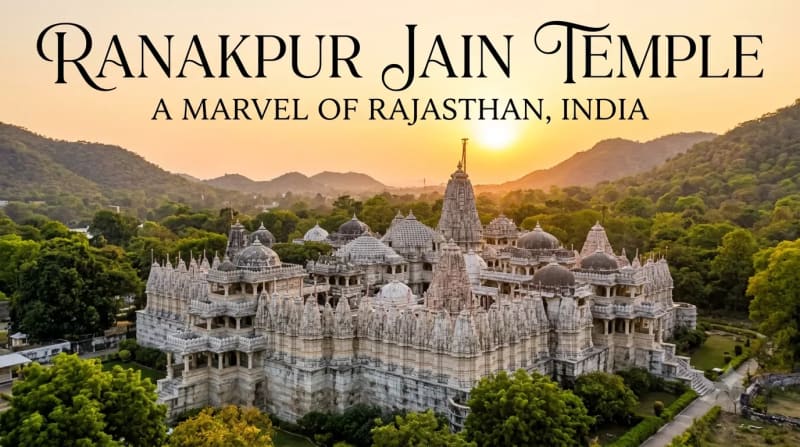
Ranakpur Jain Temple: History, 1,444 Pillars, Architecture, Timings & Visitor Guide
Ranakpur Jain Temple explained: Dharna Shah's dream, Rana Kumbha's role, the 1,444 pillars, architecture, timings, dress code and how to plan your visit.