
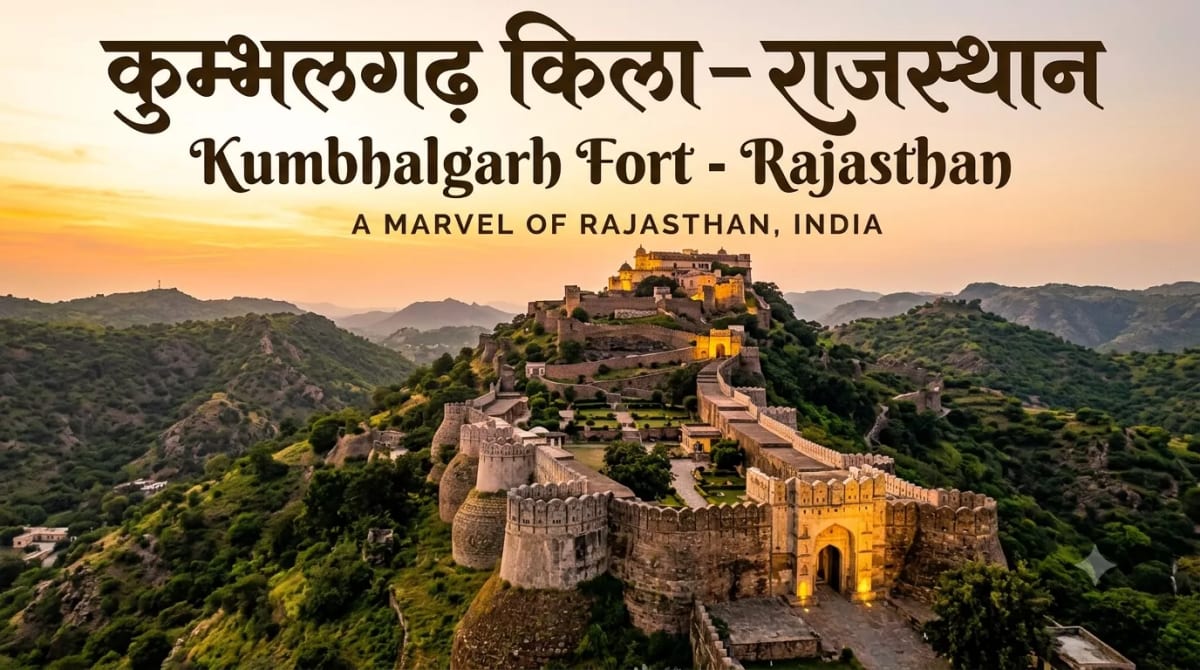
Kumbhalgarh Fort, located in Rajasthan’s Aravalli hills, was built by Rana Kumbha between 1443 and 1458 CE under the supervision of architect Mandan. The fort stands on an older fortified site traditionally associated with the Jain ruler Samprati, although this connection is based on local tradition rather than established archaeological evidence. Famous for its massive wall, seven gateways, and strategic location, Kumbhalgarh resisted several attacks by the rulers of Malwa and Gujarat. It was eventually captured by Mughal forces under Shahbaz Khan in 1578 and later recaptured by Maharana Pratap in 1583. Today, it is part of UNESCO’s Hill Forts of Rajasthan World Heritage listing, recognised for its historical and architectural significance.
Kumbhalgarh Fort: The Great Wall of India, Its Seven Gates and the Temples Inside
Most people go to Kumbhalgarh for the wall. They come back talking about the climb, the view from the top and the way the fortification disappears over one ridge after another.
What they often miss is the information on the Archaeological Survey of India boards near the entrance. Read carefully, those boards, the hilltop map beside them and the plaques at individual temples tell you what the fort actually is: a 15th-century stronghold built over a much older site, entered through a series of gates, with a surprising number of temples, a birthplace and a palace added later.
This guide uses those ASI boards as its backbone, cross-checked against UNESCO and published history, so you know what you are looking at when you go.
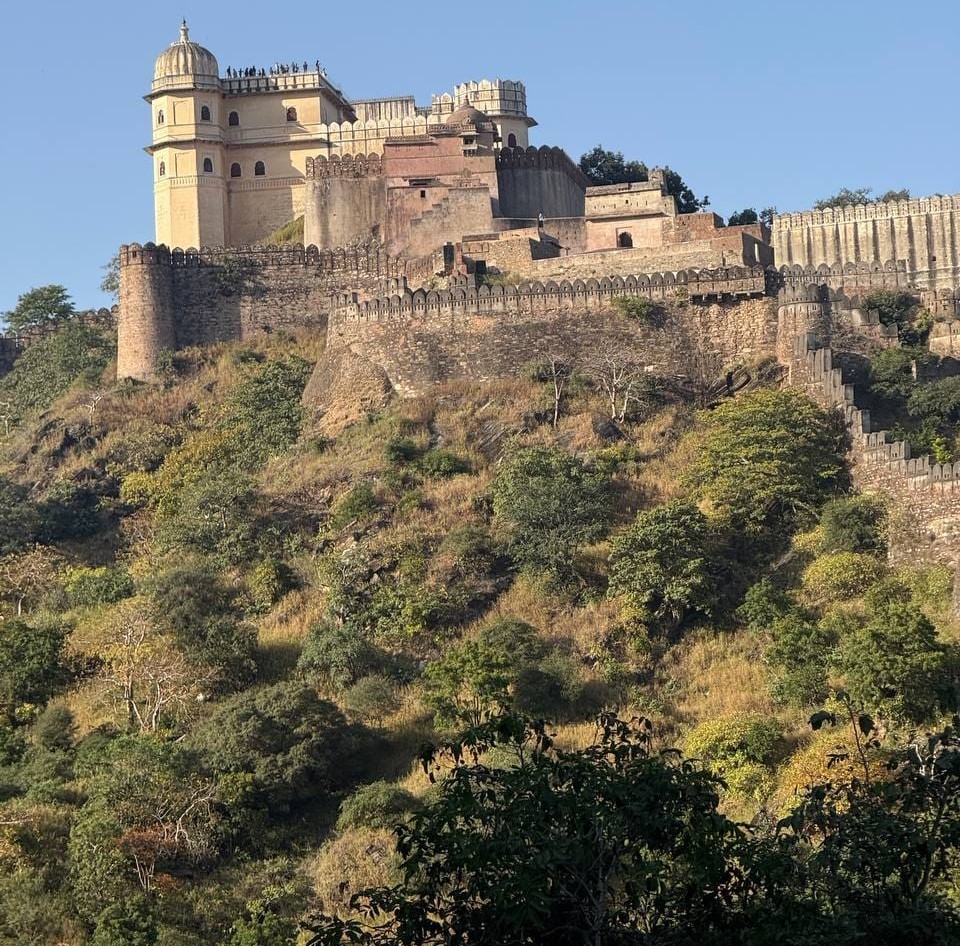
Quick facts
Where: Kumbhalgarh, Rajsamand district, Rajasthan, in the Aravalli range.
Built: by Rana Kumbha of Mewar between 1443 and 1458 CE, according to the ASI board.
Elevation: about 1,100 m (roughly 3,600 ft) above sea level.
Wall: commonly given as about 36 km long, with front walls around 4.5 m thick.
Gates: seven grand gateways (pols).
Status: a centrally protected monument of national importance under the Ancient Monuments and Archaeological Sites and Remains Act, 1951, and part of the UNESCO World Heritage listing "Hill Forts of Rajasthan" (2013).
Distance: about 84 km from Udaipur, and roughly 50 to 55 km from Ranakpur.
The history of Kumbhalgarh Fort
An older fort underneath
The ASI board says Rana Kumbha built Kumbhalgarh "on the site of an earlier fortification, which is associated with the Jain prince Samprati of the 2nd century BCE." The Hindi board adds that, according to local tradition (janashruti), the fort was raised over the remains of buildings attributed to Samprati, a Jain ruler.
This is worth reading carefully. It is a tradition recorded by the ASI, not an excavated certainty. What is clear from the board is that the site was fortified before Rana Kumbha, and that he rebuilt it on a grand scale.
Rana Kumbha and the architect Mandan
The Hindi ASI board states that Maharana Kumbha (1443–1458 CE) had the fort built under the supervision of his celebrated architect, Mandan. Mandan is also known as the author of Rajvallabh, a text on architecture, where he recorded his methods.
Rana Kumbha is remembered as one of the great fort-builders of Mewar. Kumbhalgarh, named for him (Kumbhal + garh, "fort"), became one of his principal strongholds. UNESCO notes that the fort was built in a single planned effort and, apart from the later palace of Fateh Singh, retains its architectural coherence.
The sieges
The Hindi board records that rulers of Malwa and Gujarat tried to capture the fort but failed because of its strong fortification and strategic location. Published histories give more detail:
Ahmad Shah II of Gujarat attacked around 1457 and failed.
Mahmud Khalji of Malwa made attempts in 1458–59 and 1467, also unsuccessfully.
Akbar's general Shahbaz Khan besieged the fort from late 1577, and it fell in 1578. Maharana Pratap recaptured it in 1583.
Editorial note: the board only confirms the failed attacks by Malwa and Gujarat. The later dates come from published histories (including Wikipedia) and should be verified against ASI or academic sources before publication.
Birthplace of Maharana Pratap
The Hindi board lists the birthplace of Maharana Pratap among the fort's important monuments, and the ASI map marks it close to Kumbha Palace and Badal Mahal. This connection is one of the reasons Kumbhalgarh holds a special place in Mewar's story.
Later history
In the 19th century, the fort was restored under Rana Fateh Singh of Udaipur, who also built the palace at the highest point. In 2013, UNESCO inscribed Kumbhalgarh as one of six forts in the serial site Hill Forts of Rajasthan, along with Chittorgarh, Ranthambore, Gagron, Amer and Jaisalmer.
The great wall of Kumbhalgarh
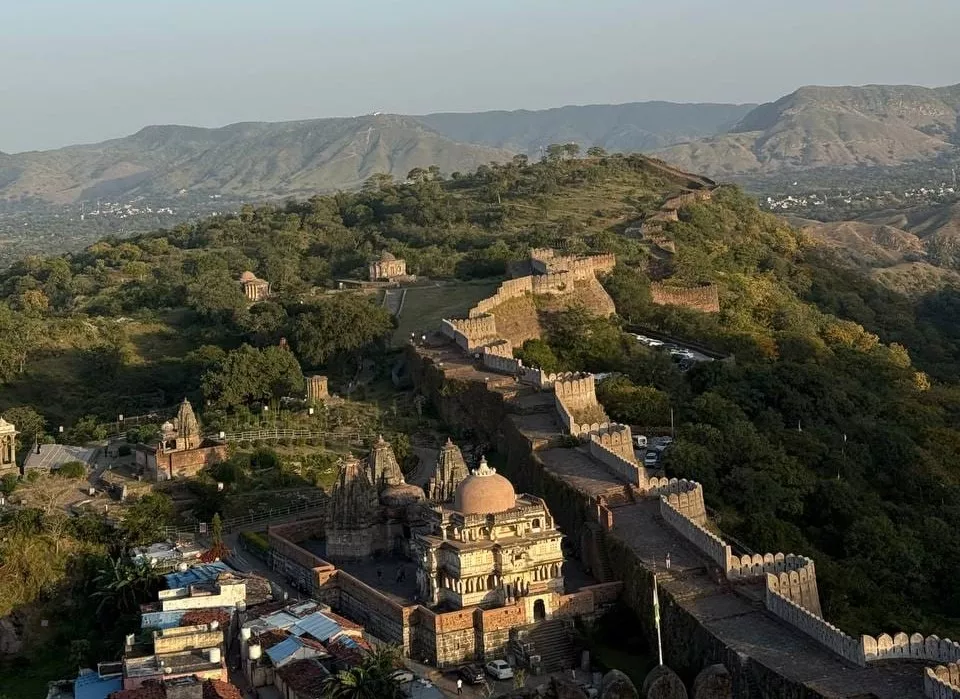
The wall is what gave the fort its nickname, "the Great Wall of India." The ASI board explains that its defence relies on "a fortified wall built along the slope of the hill and by a series of massive bastions." The Hindi board adds that the wall is reinforced by sturdy bastions built at regular intervals.
You will often read that the wall is about 36 km long, and that it is wide enough for eight horses to ride abreast. The length is widely quoted. The "eight horses" detail is a popular description, not an ASI measurement, so treat it as colour rather than fact. Incredible India describes it as the second-longest wall in the world after the Great Wall of China, while some sources give slightly different lengths, so "roughly 36 km" is the safe way to say it.
For a closer look, a day-long guided walk along the wall is offered by local operators and is mentioned by Outlook Traveller as an option for adventurous visitors.
The seven gates (pols) of Kumbhalgarh
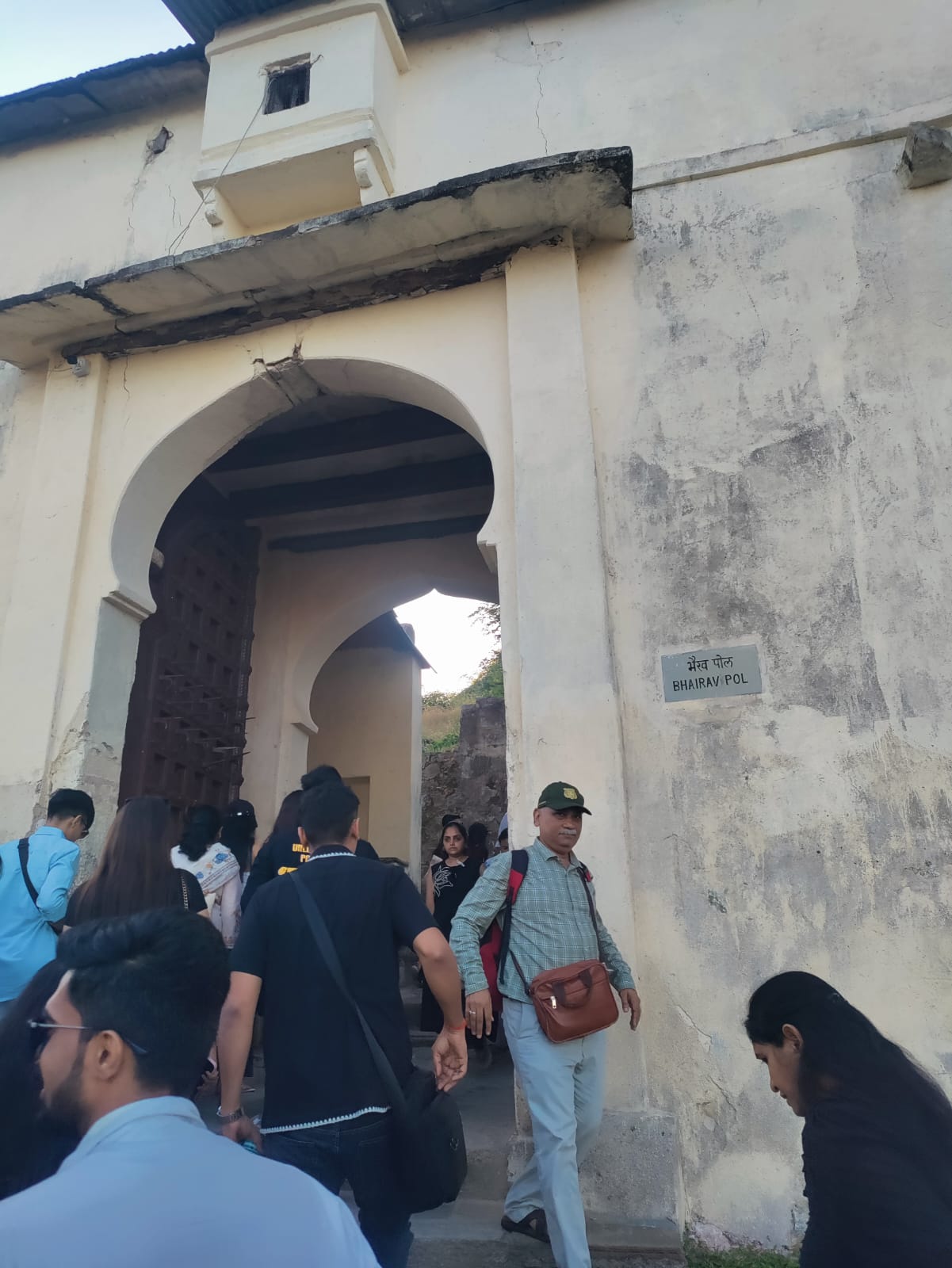
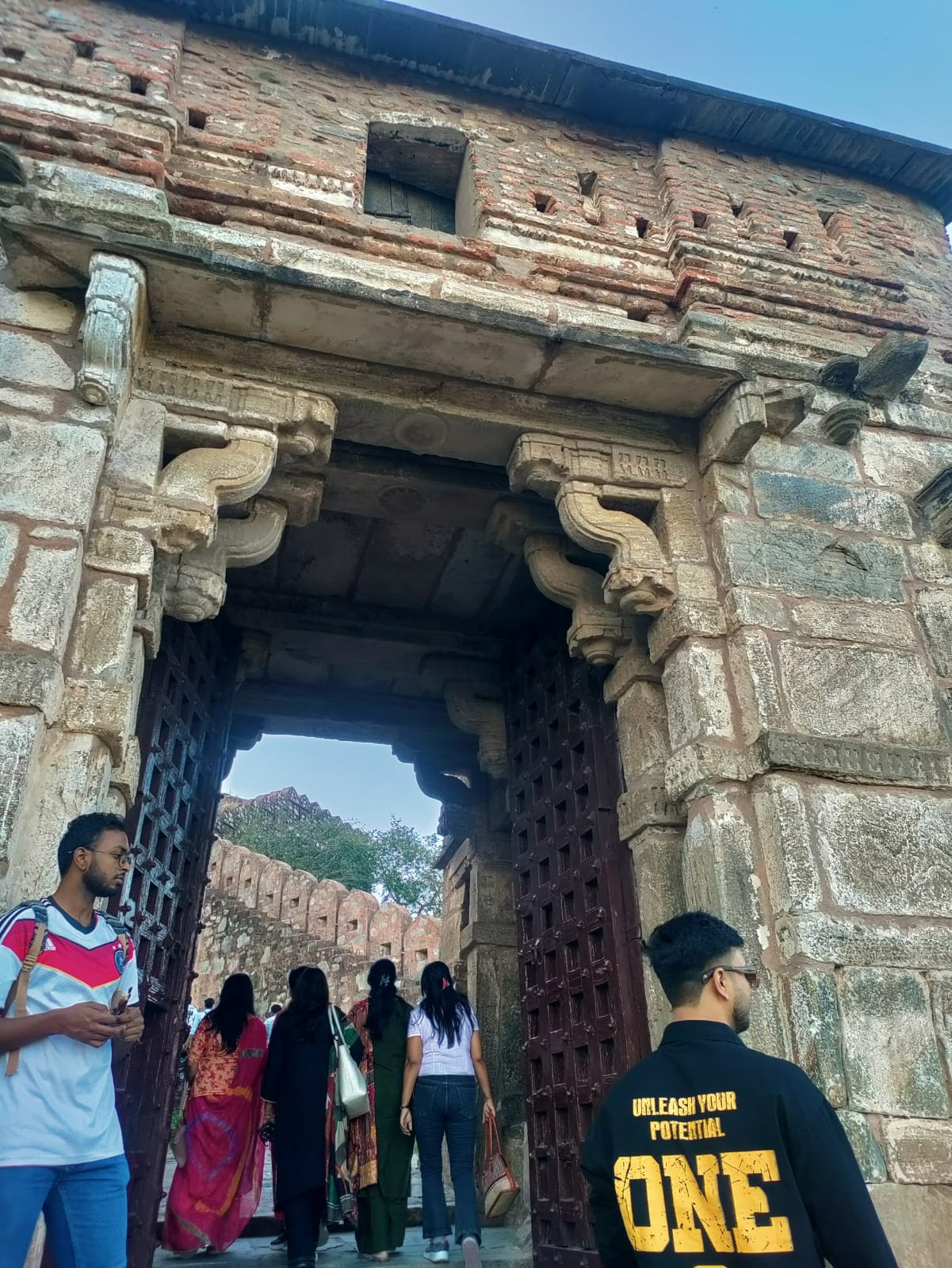
The English ASI board states that the fort "is approached through seven grand gateways, namely Aaret Pol, Halla Pol, Hanuman Pol, Ram Pol, Nimbu Pol, Bhairav Pol and Pagda Pol."
The Hindi board describes the sequence in more detail. From the south, the path goes through Aret Pol, Halla Pol, Hanuman Pol, Ram Pol and Vijay Pol, while Bhairav Pol, Nimbu Pol and Pagda Pol come on the route up to Badal Mahal. The board also mentions an eastern gate called Danibatta, which connected Mewar with the Marwar region.
Bhairav Pol
Aret Pol:-
Pagda pol :-
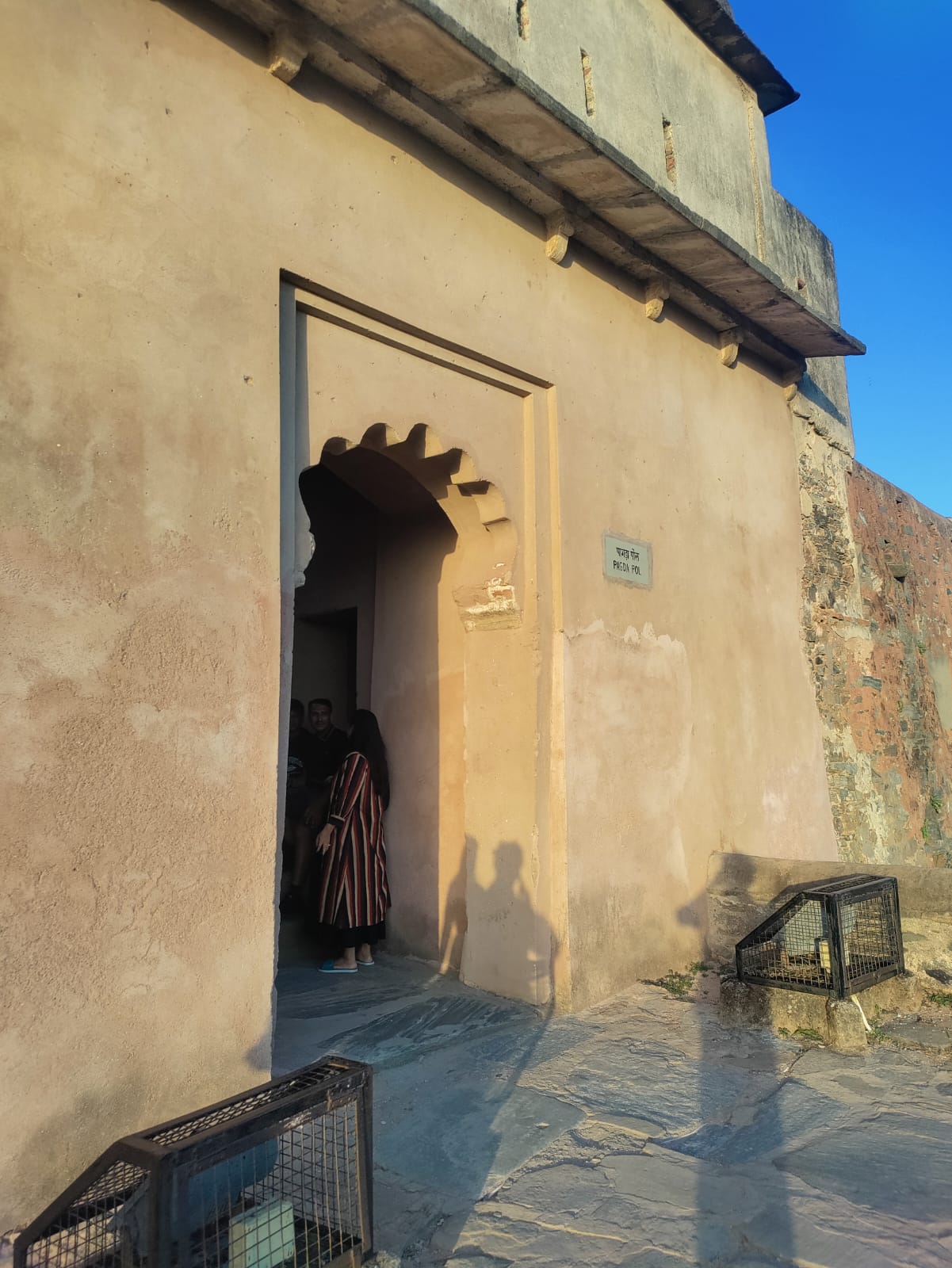
Don't worry if you notice that the two boards list the gates slightly differently. Local naming varies, and Ram Pol is generally the main entrance most visitors use. What matters is the idea: the approach was a series of defensive checkpoints rather than a single door.
Travel writers also point out that sharp turns and steep ramps near the gates made it harder for elephants and horses to charge in, which is a common feature of Rajput hill-fort design.
Temples inside Kumbhalgarh Fort: what the ASI boards say
Wikipedia and several tourism sites say the fort has more than 360 Jain and Hindu temples. This large figure is widely repeated, but it is not on the ASI boards, so treat it as a popular count.
The ASI boards do give a clear list. The English board says the important temples include the Mahadev temple, Pitaliyadev temple, Neelkanth temple, and the Bawan Deori and Golerav Jain temples. The Hindi board gives a longer list of monuments within the fort's perimeter:
Ganesh Mandir
Charbhuja Mandir
Vedi Mandir
Neelkanth Mahadev Mandir
Bawan Devri Mandir
Pitaliya Dev Mandir
Mama Dev Mandir
Golerao group of temples
A group of Jain temples
Kumbha Mahal
The birthplace of Maharana Pratap
Water-harvesting dams (bandh), stepwells (baoris) and chhatris
The ASI hilltop map also marks several of these, plus a Pitliya Shah Jain temple, a Prithviraj ki Chhatri and a Gole Rao group of temples.
Neelkanth Mahadev Temple
The ASI plaque at this temple gives the clearest account of any structure in the fort.
It is a west-facing Sarvatobhadra shrine, built by Maharana Kumbha in 1458 CE.
The plan is rectangular, with a roof of seven domes of different shapes, supported by 26 massive stone pillars.
The central dome is larger than the others and is crowned with a lotus-shaped finial (kalasha).
In the sanctum (garbhagriha) stands a large black-stone Shiva linga on a yoni-pitha.
An inscription dated Vikram Samvat 1521 (1464 CE) on the wall refers to a renovation of the temple by Rana Sanga.
Editorial note: Rana Sanga is generally dated to the late 15th and early 16th centuries (born 1482), which sits oddly with a 1464 inscription. The board's wording is reproduced above as written. Check with ASI Jodhpur Circle before stating this renovation date as fact, or phrase it as "the plaque records."
Tourism writers also describe the temple as having entrances in all four directions and a five-foot linga, and say Rana Kumbha is believed to have worshipped here. Those details come from secondary sources, so treat them as descriptive rather than ASI-confirmed.
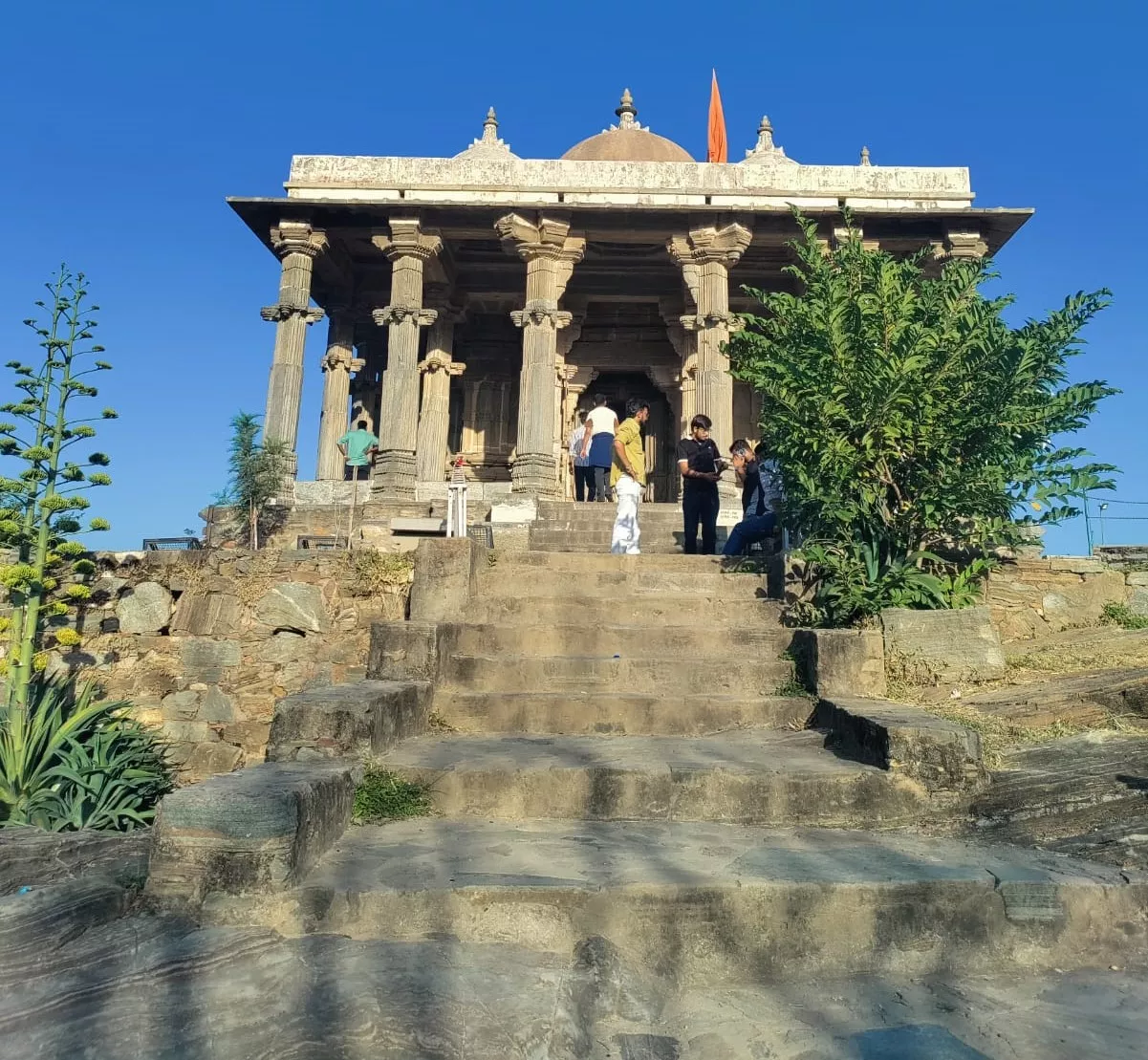
The ASI plaque at Neelkanth Mahadev Temple records its 1458 construction and seven-domed plan.
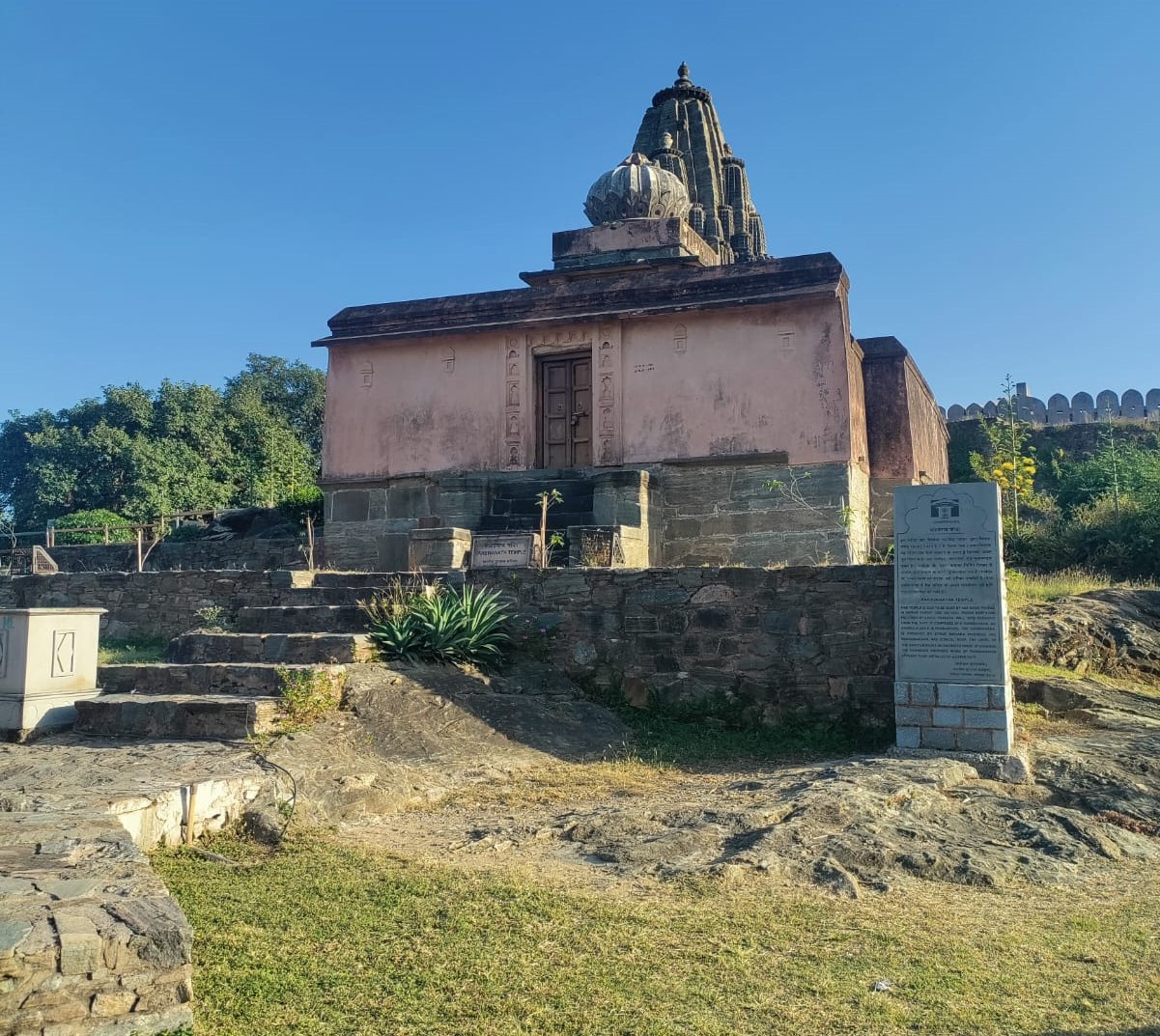
Parsvanatha Temple
The ASI plaque for this Jain temple says:
It was built by Nar Singh Pokhad in Vikram Samvat 1508 (1451 CE).
It faces north and is enclosed by a high prakara (boundary) wall, with the entrance from the east.
The plan has a garbhagriha, an antarala and a mukhamandapa.
The sanctum is crowned by a stone shikhara, while the mukhamandapa has a domical roof.
The lintel of the sanctum bears an engraved image of Ganesha.
The Parsvanatha image inside appears to have been installed at a later date.
Editorial note: some websites date this temple to 1513. The ASI plaque says 1451. Use the plaque date and attribute it ("according to the ASI board").
That note about the later image is worth remembering. It tells you that temples in a fort often changed over time, with images installed or replaced generations after the structure was built.
Other temples worth knowing
Ganesh Temple: commonly said to be on the way up toward the palaces, and attributed to Rana Kumbha's period by secondary sources.
Vedi Temple: a three-storey Jain temple, described by tourism sources as built by Rana Kumbha near the Hanuman Pol, and dedicated to Goddess Vedi. Confirm with ASI before stating dedications.
Bawan Devri and Golerav Jain temples: named on the ASI board as important Jain monuments.
Badal Mahal: the palace in the clouds
The English board calls Badal Mahal "another of the most important monuments within the fort," and adds that it belongs to a later period. The Hindi board is more specific: the palace, at the highest point of the fort, was built by Rana Fateh Singh (1884–1930 CE).
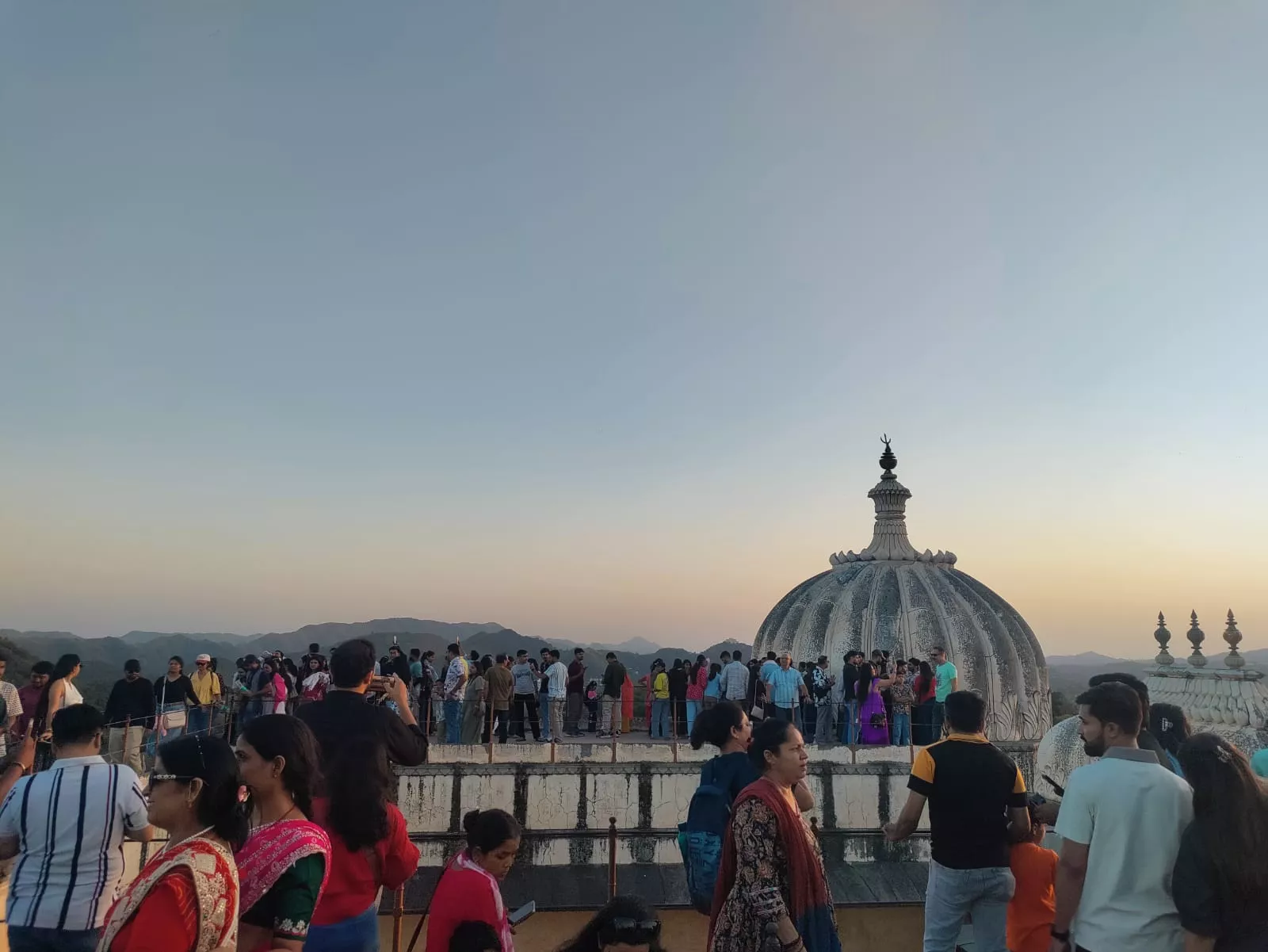
That distinction is worth making clear when you visit. The fort dates to Rana Kumbha's time in the 15th century, while Badal Mahal is a much later addition in the 19th and early 20th century. The name means "Palace of Clouds," and the view from the top, across the wall and the forested hills, is the reward for the climb.
Why Kumbhalgarh is a UNESCO World Heritage Site
UNESCO inscribed Kumbhalgarh in 2013 as part of the Hill Forts of Rajasthan. The serial site recognises how the forts use natural terrain (hills, forests, rivers and desert) as defence, and how they include palaces, temples and trading areas inside their walls. UNESCO also notes extensive water-harvesting structures in the forts, many still in use. In Kumbhalgarh's case, the single-phase planning is a special feature.
Visiting Kumbhalgarh Fort: practical guide
Check before you go: fees, timings and rules are revised from time to time and different websites list different figures. Confirm them with the ASI or at the ticket counter.
Timings and tickets
The fort is generally listed as open daily from around 9 AM to 6 PM. Entry fees listed online vary a lot (figures from ₹10 to ₹40 for Indian visitors and ₹100 to ₹600 for foreign visitors appear on different sites), so verify the current price. When I visited, I paid roughly ₹40 per person, but that is my own recollection rather than a verified rate. Tickets are available at the counter, and the ASI also lists online booking for monuments.
Rules to know
Large speakers and similar items were not allowed in during my visit, so I had to leave mine at the gate.
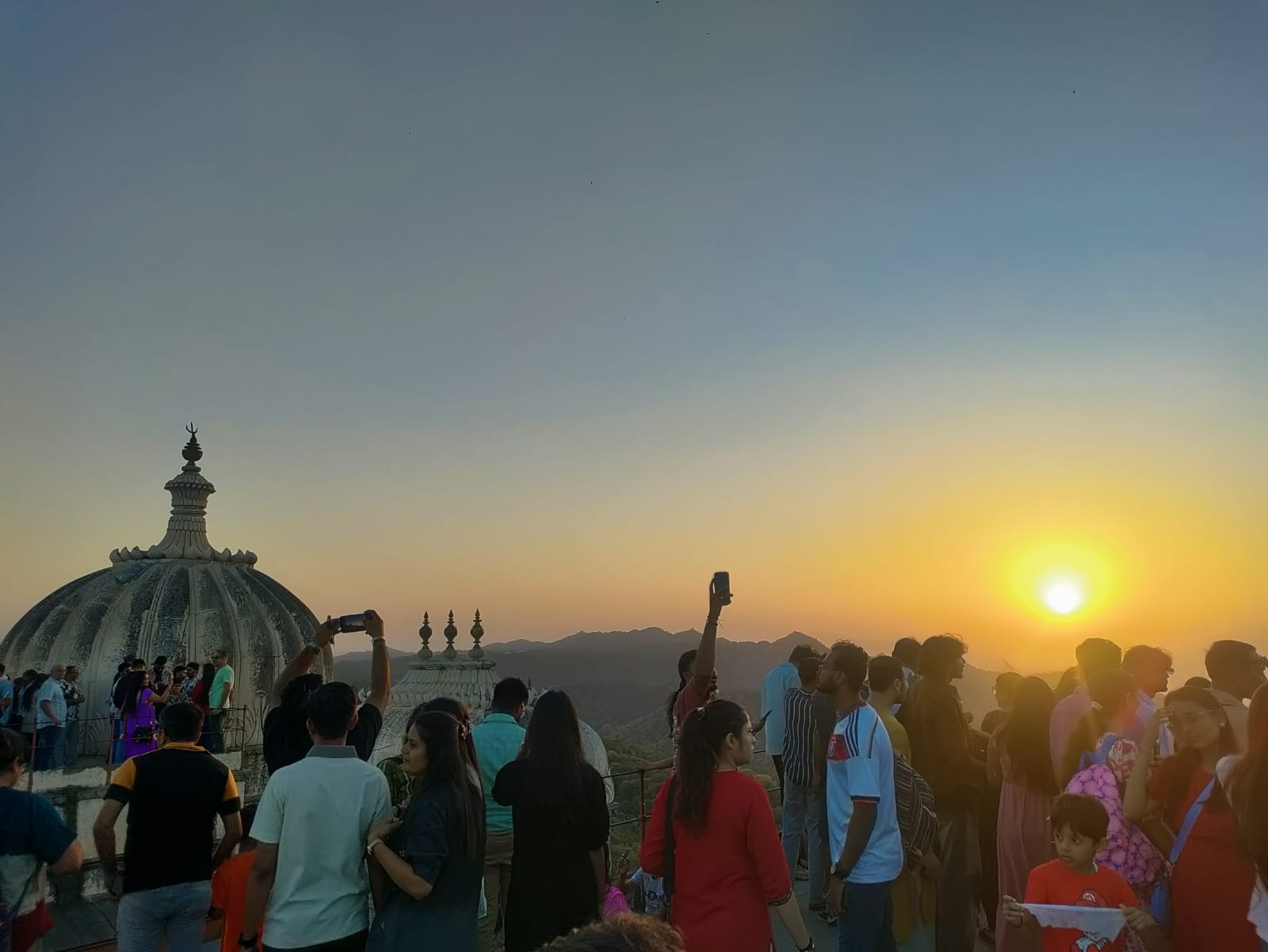
The fort has closing hours. At sunset, security asked visitors at the top to start descending because staying beyond the permitted time was not allowed.
Visitors should expect a steep climb and plenty of walking.
Light and sound show
Several sources mention an evening light and sound show, commonly listed at around 6:45 PM, with a separate ticket counter. Timings may change seasonally, so check locally.
What to carry
Comfortable shoes with good grip.
Water and a hat.
A power bank, because you will take many photos.
A light jacket in winter evenings.
Things to do near Kumbhalgarh
Kumbhalgarh Wildlife Sanctuary. Established in 1971 and covering about 610 sq km across parts of Rajsamand, Udaipur and Pali districts, it surrounds the fort. Wildlife listed includes the Indian wolf, leopard, sloth bear, striped hyena, sambar and nilgai. Check current safari rules locally.
Ranakpur Jain Temple. Roughly an hour away by road, and built under the same Rana Kumbha. See our full guide to Ranakpur Jain Temple.
Muchhal Mahavir Temple. Mentioned by local tourism sources as a nearby 15th-century Jain temple.
Kumbhalgarh Festival. A three-day cultural event held by Rajasthan Tourism, with performances and heritage walks.
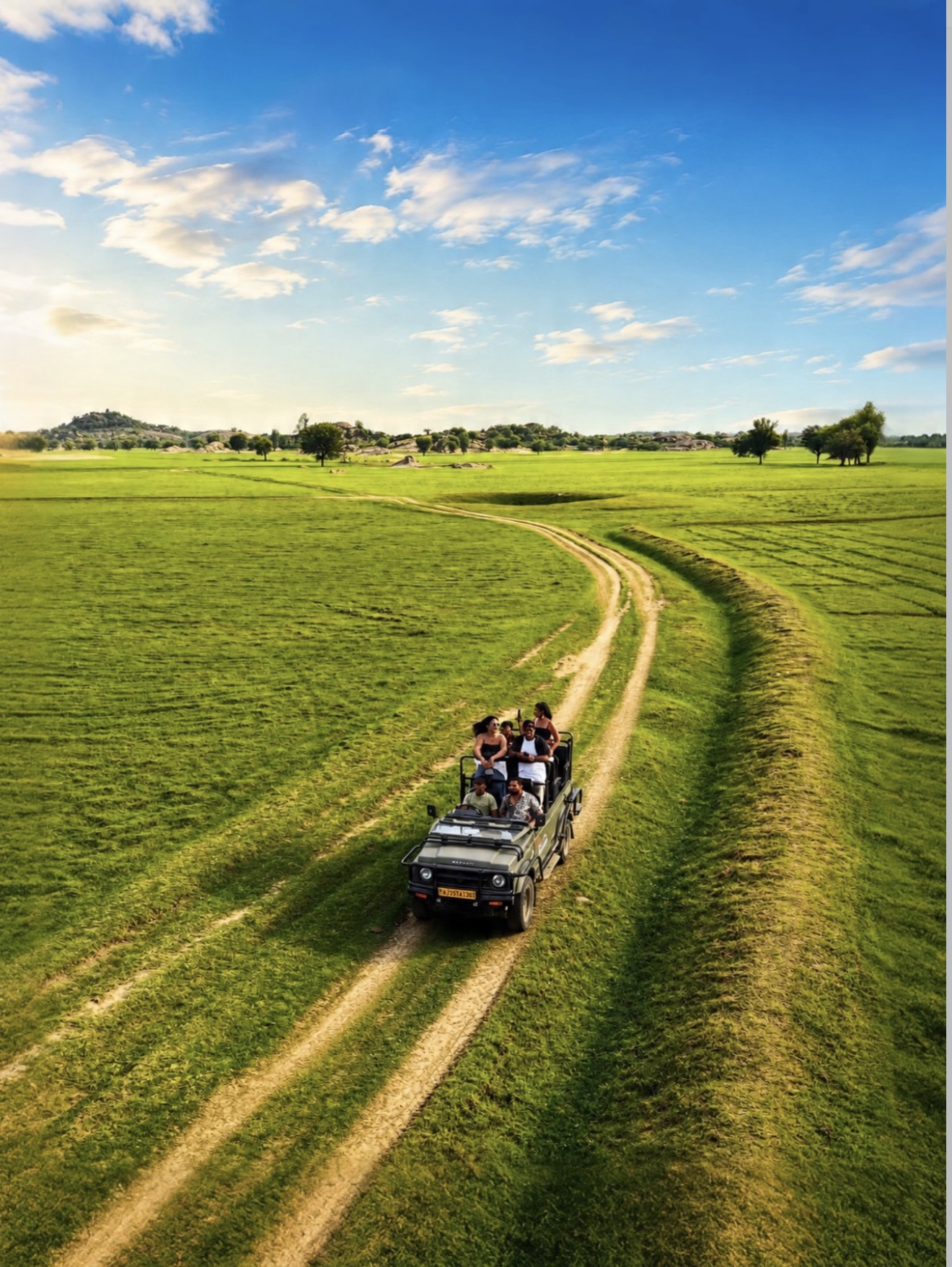
Jawai. Rocky leopard country within driving distance. See our Jawai stranger trip story.
https://www.travelltech.com/blog/jawai-stranger-trip-from-indore-kumbhalgarh-ranakpur
A personal note from the climb
When our group visited, we reached the fort in the late afternoon, climbed through the crowds toward Badal Mahal and watched the sunset until security asked everyone to head down. The climb was tiring, but the view justified it. If you are visiting in the evening, aim to reach the top at least 30 to 45 minutes before closing so you are not rushed.
🗓️ Best Time to Visit
October to March
Best for visit
most comfortable time, with cooler weather for the climb. Summers are hot, so go early if you visit then
🚗 How to Reach
By road
about 84 km (roughly two hours) from Udaipur, and between Udaipur and Jodhpur.
By train
Falna and Udaipur are the main railheads. Several sources give a distance of 70 to 80 km.
By air
Udaipur's Maharana Pratap Airport is the nearest.
Local bus
RSRTC buses run to Kumbhalgarh, and the bus stop is a short distance from the fort.
✈️ Related Trips from TravelTech
728 × 90 — Leaderboard
❓ Frequently Asked Questions
Who built Kumbhalgarh Fort?
How long is the Kumbhalgarh wall?
What are the seven gates of Kumbhalgarh Fort?
Which are the main temples in Kumbhalgarh Fort?
Was Maharana Pratap born in Kumbhalgarh?
Who built Badal Mahal?
Is Kumbhalgarh a UNESCO World Heritage Site?
What is the best time to visit Kumbhalgarh?
How much time do you need?
📚 Related Guides
More Travel Stories
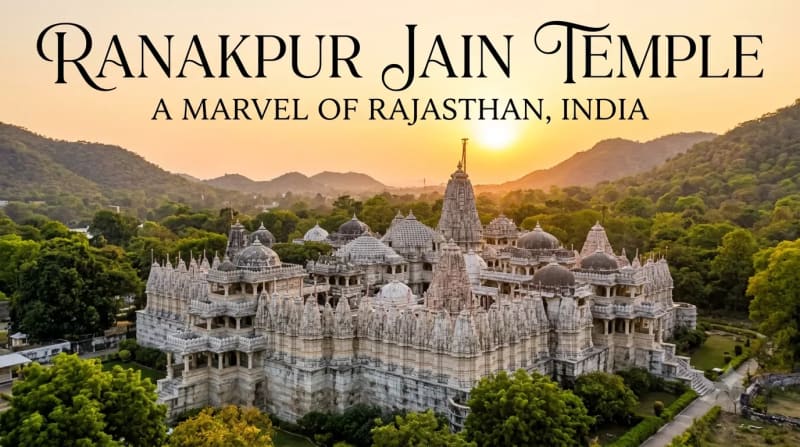
Ranakpur Jain Temple: History, 1,444 Pillars, Architecture, Timings & Visitor Guide
Ranakpur Jain Temple explained: Dharna Shah's dream, Rana Kumbha's role, the 1,444 pillars, architecture, timings, dress code and how to plan your visit.
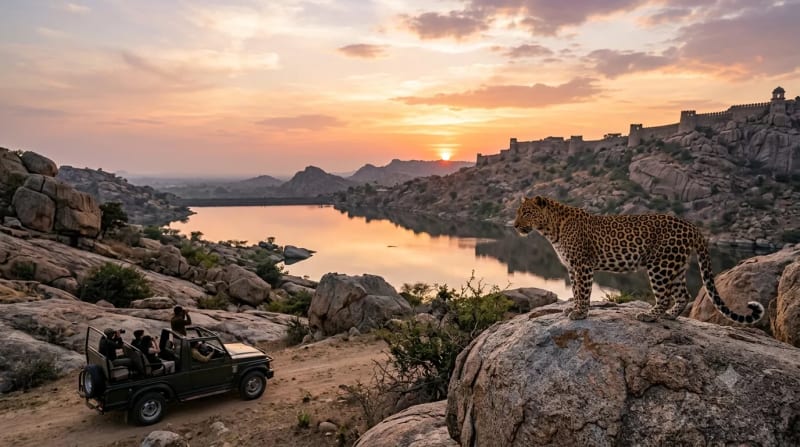
Jawai Stranger Trip from Indore: My Honest Experience
I joined a Jawai group trip from Indore as a solo traveller: Kumbhalgarh, Ranakpur, a leopard safari and strangers who became friends. Here's how it went.

Group Trips from Indore: Where Can You Travel With TravelTech?
Explore group trips from Indore with TravelTech. Visit Udaipur, Pachmarhi, Goa, Kashmir, Manali, Ladakh and Spiti with organised group travel.