
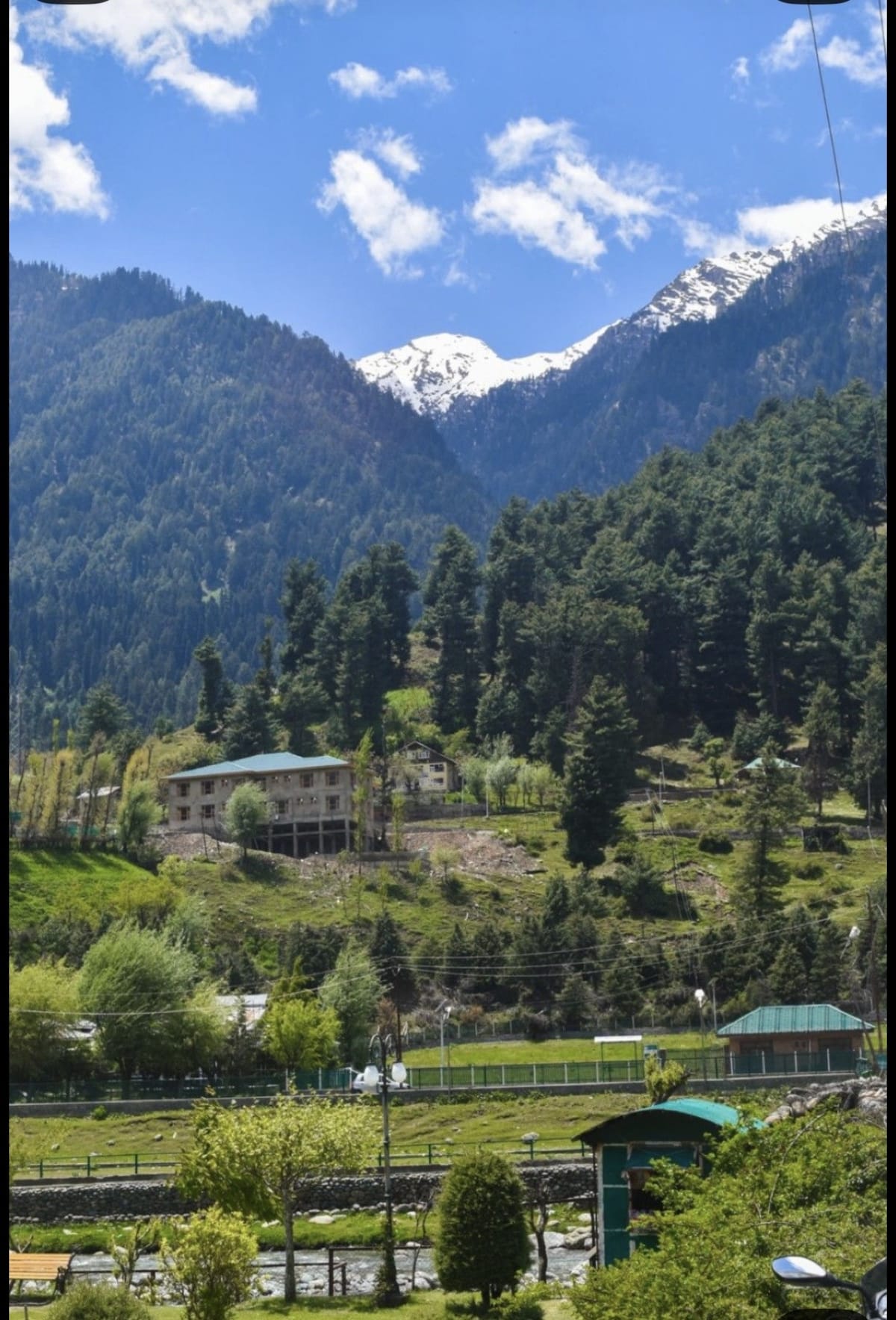
Explore the Tirthan Valley travel guide covering the best places to visit, things to do, local food, ideal travel season, trekking experiences, nearby attractions, practical travel tips, and a realistic itinerary for planning your Tirthan Valley trip.
Tirthan Valley
Tirthan Valley sits in Himachal Pradesh's Kullu district, about 500 kilometers from Delhi. It's one of those places that doesn't announce itself loudly. You won't find Tirthan Valley in the standard Himachal itineraries, which tend to loop through Manali and Shimla and call it done. Most travelers only hear about Tirthan from someone who went there and came back quiet about it.
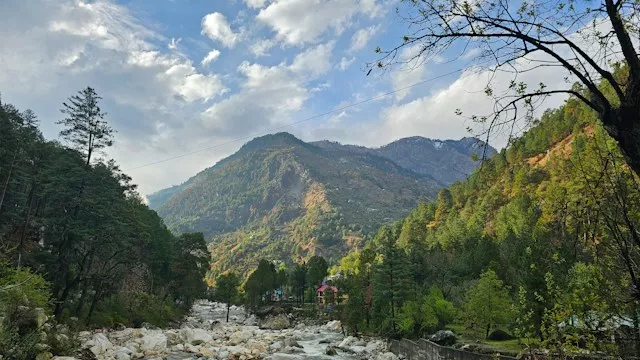
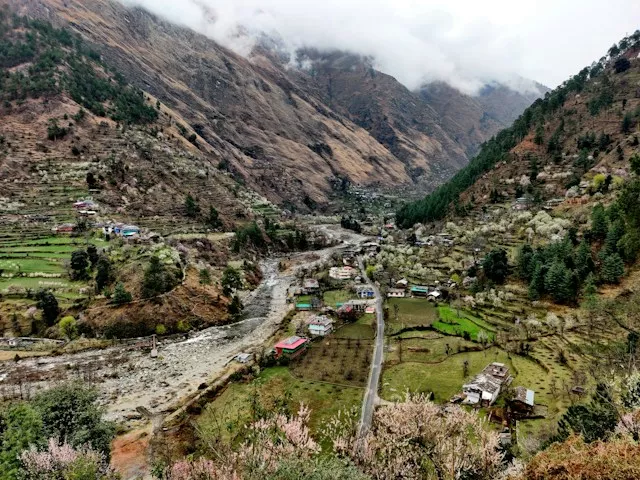
The valley runs for roughly 70 kilometers from the Hanskund Peak down through forest and small villages. The Tirthan River moves through it constantly—you see the water from almost every spot worth sitting in. The whole area falls within the Great Himalayan National Park, which matters for what you can actually do once you're there.
Getting There and Setting Up
If you're coming from Delhi, the main route takes you toward Manali, then you turn off at a place called Aut and head into the valley toward Banjar. The drive is long. Banjar itself is the marketplace of the region—a small town where you pick up supplies and figure out where to stay.
The Himachal Road Transport Corporation runs buses from Delhi to Manali, and you can get off at Aut for local connections. Private taxis work too if you're comfortable negotiating. From Aut to Banjar is about 23 kilometers of narrow road that winds constantly.
There's also a route through Shimla and Jalori Pass if you're coming from that direction, but Jalori closes in winter with snow, so time of year matters. In monsoon, the roads get narrow and fragile. Check what's actually open before you lock in your travel dates.
The Kullu-Manali airport is 43 kilometers away if you're flying. Flights go through Chandigarh mostly, and mountain weather makes them unreliable.
Choosing the Right Base: Why Your Stay Matters More Than You Think
Most people don't think much about accommodation choice. They find a place listed on a travel site and book it. In Tirthan, this choice actually shapes what your trip feels like.
Gushaini is the larger settlement—there are homestays, a few cafes, shops within walking distance. Buses run from here toward other parts of the valley. If you stay in Gushaini, you can walk to grab food without planning ahead. You can catch a bus toward Banjar or other villages without depending on your host to arrange a ride.
There are also homestays scattered deeper into the valley, in places like Tinder or Bathad. These tend to be quieter. You're further from shops and main roads. The silence is actual silence, not the reduced-traffic kind. The trade-off is that getting anywhere requires depending on local vehicles. Your host arranges your transport, or you don't move. This works fine if you're planning to stay put and take walks from your location. It's frustrating if you like spontaneous movement.
People who've stayed in both types tend to choose based on what they actually want from a trip. Remote stays appeal to travelers who are working remotely or need quiet for a few weeks. The stability of knowing you won't be checking buses or organizing rides matters more than flexibility.
Riverside homestays are common enough that you have options either way. Sitting by the river with tea becomes your main activity, which isn't a complaint—it's exactly why people come to Tirthan.
Internet and Power, If That Matters
This comes up enough that it's worth addressing directly. Travelers planning longer stays ask about Wi-Fi availability and electricity reliability, especially if they're thinking of working while they're here.
Wi-Fi exists, but it's not guaranteed to be good everywhere. Some homestays have decent internet. Others have connections that work and then don't. If you're planning to teach an online class or do actual work that depends on reliable connectivity, ask the host specifically how solid their internet is. Test it during a trial call if you can.
Electricity is stable in main areas like Gushaini but can be less reliable deeper in the valley. Power outages happen. Homestays vary in whether they have backup power and for how long. If electricity matters for your setup, ask whether there's a generator and how much runtime it has.
Mobile signal depends on your carrier. Some networks work better than others in specific locations. Worth checking before you arrive.
Food is usually prepared fresh by whoever's running the homestay. If you have specific dietary needs or preferences, mention this when booking. Most places are flexible, but they're not restaurants. It's village cooking, based on what's available and seasonal.
For stays longer than a week, especially if you're planning to work or study, these details stop being trivia and start being actual infrastructure requirements. Don't book and hope. Ask first.
What to Do Without Rushing
The Tirthan River is the main thing to do here, which sounds simple until you actually spend time doing it. Walking along the river, sitting on the rocks and watching it, swimming in the designated pools—the river itself is enough activity.
There's a walk that starts from around Banjar and goes upstream toward Gushaini. It follows the road mostly, but the road runs close to the water for most of the way. The landscape changes as you go—the valley opens and closes, you pass through villages, you see how the river bends around rocks. It's the kind of walk where you stop when you feel like stopping. Some people do it in a morning. Others make it a three-hour thing with lunch breaks. The distance isn't what matters. The pacing is.
Chhoie Waterfall is worth including. It's not a destination you rush to and photograph and leave. The trail itself is the thing—it takes you through forest and alongside the river. The waterfall exists at the end, but the experience is the walk getting there.
Jalori Pass is high enough to feel like a proper excursion. It's 10,800 feet of elevation, and the road getting there is narrow with sharp turns. The meadows at the top open up in a way that rewards the drive. Twenty kilometers sounds short until you're doing it on a mountain road with hairpin bends. Block most of a day for this. Don't try to squeeze it into a morning trip.
There are ruins of old forts in the higher meadows around here—Raghupur Fort is one. Getting to them means hiking past the main tourist routes. The views from these meadows are very good. Herders bring livestock up to these altitudes to graze because the grass grows better at elevation. It's the kind of detail that makes walking around interesting.
Gushaini itself is worth exploring slowly. Walking the village, watching the river, sitting at The Forest Edge restaurant—these aren't major attractions. They're what actually happens when you spend time somewhere.
GHNP and Trekking Isn't Simple
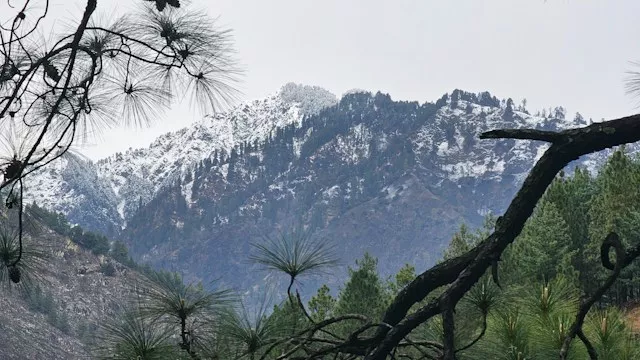
The Great Himalayan National Park sits all around Tirthan Valley. It's not one hiking destination—it's multiple trekking routes of different lengths and difficulty levels. Some are day walks from the valley floor. Others are multi-day wilderness treks that require camping.
Trekking in the park requires permission and permits. This isn't something you arrange the morning of your trek. You need to check what routes are currently open, get approval from the park authorities, and sometimes arrange guides before you arrive.
For multi-day treks, guides are required, not optional. This is official. Porters usually come as part of the arrangement. You're not negotiating around this—it's how the system works.
The park publishes notices about closures and restrictions. Routes close for weather, wildlife activity, and seasonal reasons. Before you plan a major trek, check what's actually accessible right now. What was open last month might not be this month.
Day walks and shorter hikes closer to the main villages have different rules. Even these vary in how much permitting they need. The point is: don't assume you can wander freely into GHNP and figure it out as you go. Actually plan this part separately.
Time Gets Complicated in Mountains
A lot of Tirthan trip plans look reasonable on a map. Three days in Tirthan plus Jibhi plus Jalori Pass plus Manali, and suddenly you're driving eight hours across four days. The problem is that mountain distances are deceptive. Thirty kilometers through mountains takes longer than thirty kilometers on a highway. Add in stops, finding exact locations, changing weather, and varying road conditions, and time disappears.
People often underestimate this. They come with plans to visit five villages and two passes and multiple trekking areas in a weekend. What they end up doing is mostly driving.
Spending four days actually in Tirthan Valley, without trying to add Manali or multiple other regions, is a different trip. You're not racing between locations. You're staying somewhere long enough to understand it.
Jalori Pass makes sense as a day trip if you're based in Banjar. It's accessible and dramatic. Building a whole separate trip to somewhere like Manali from Tirthan means you're traveling eight hours round trip and losing most of a day. That only works if Manali is the actual point.
The monsoon season changes timing even more. Roads are narrower. Weather delays happen. A three-hour drive can become four. Landslides occasionally close sections. It's not dramatic most of the time, but it's real.
Roads and Motorcycles
If you're planning to ride a motorcycle or scooter through Tirthan, know that road conditions vary by location. Some sections are fine. Others are narrow with sharp turns. Wet roads in monsoon season make mountain riding harder, especially if you're not used to hills. Local riders know the terrain and adjust. Visitors often don't have that reference point.
Check current road conditions before heading toward remote villages. Don't assume that if the main road is fine, all the back roads are too. Get information from people who actually travel these routes regularly, not general travel websites.
Shangarh and Nearby
Shangarh Meadows is sometimes mentioned as a side visit. It's in the general region, and it appears in photos from the area. Depending on where you're staying and how much time you have, it could fit into your plans. It's not essential to Tirthan Valley itself, but it's an option if you're exploring.
Building Your Trip
Start by deciding what kind of accommodation matches how you travel. Remote and quiet, or accessible and flexible. Everything else follows from that.
If you're staying longer than a few days and connectivity matters—Wi-Fi for work or studying—confirm this before booking. Test it if possible.
Figure out what you actually want to do in GHNP, if anything. This needs to be arranged separately from everything else. Research what's open, what requires permits, and what needs guides.
Build the rest around actual walking and sitting and eating meals. The river, the villages, the local walks. These don't need complex planning.
Account for real travel time if you're moving between places. Don't underestimate mountain driving.
Stop adding locations just because they're nearby. Spend four days somewhere rather than two days in each of four places.
Check current road conditions and seasonal closures before you lock in your plans.
When to Go
Spring is clear and warm. Monsoon brings rain and changing conditions. Autumn is stable and quiet. Winter closes higher passes.
If you're just visiting for a few days, any season works. If you're planning something longer or more ambitious—extended trekking, workation, multi-day park exploration—the season shapes what's possible.
What It Actually Feels Like
Tirthan Valley works when you're willing to slow down. The quietness isn't incidental—it's what draws people here. You sit by a river. You walk without a fixed destination. You let time work differently than it does in cities.
Everything practical—where you stay, how you move around, what you choose to do—matters only because it determines whether you actually get to experience that. If you're constantly managing logistics or rushing between spots, you're missing the point.
That's the thing people don't always realize when they're planning. The destination isn't the list of places you visit. It's the space and time you create by staying somewhere long enough to notice small things.
Plan Your Tirthan Valley Trip With TravelTech
If you’re planning a Tirthan Valley trip but don’t want to follow a fixed itinerary, TravelTech can help customise the trip around your plans. You can decide how many days you want to stay, which places you want to include, your preferred type of accommodation and how much time you want to spend exploring the valley. This works particularly well for Tirthan, where keeping the itinerary flexible can leave more time for local walks, riverside stays and nearby places instead of rushing from one destination to another. You can get in touch with TravelTech to discuss your requirements and plan a customised Tirthan Valley trip.
Discover Related Travel Packages
Planning to explore more of Himachal Pradesh? Discover TravelTech’s related Himachal travel packages for destinations such as Manali, Kasol, Jibhi and other popular mountain escapes. If you have a specific route or number of days in mind, you can also get in touch with TravelTech to customise your trip around your plans.
🗓️ Best Time to Visit
🚗 How to Reach
By air
There is no airport in Tirthan Valley. The nearest airport for the GHNP/Tirthan side is Kullu-Manali Airport at Bhuntar. The official GHNP access information identifies Bhuntar as the nearest airport and says it is roughly 50 km from the park access area.
By train
Joginder Nagar is the nearest railway station serving the wider region, but rail connectivity does not take you directly into Tirthan.
By road
The key mountain access point is Aut. From Aut, the road continues towards Banjar and Gushaini. GHNP authorities identify Gushaini as approximately 52 km by road from Aut.
✈️ Related Trips from TravelTech
Manali kasol
Manali kasol 4 night 5 days strangers trip
5999/-
per person
Manali kasol
Manali kasol 5 night 6 days
6999/-
per person
728 × 90 — Leaderboard
❓ Frequently Asked Questions
What is the best time to visit Tirthan Valley?
How many days are enough for Tirthan Valley?
How do I reach Tirthan Valley from Indore?
What is Tirthan Valley famous for?
Is Tirthan Valley good for couples?
Is Tirthan Valley safe for solo travellers?
What food should I try in Tirthan Valley?
📚 Related Guides
More Travel Stories
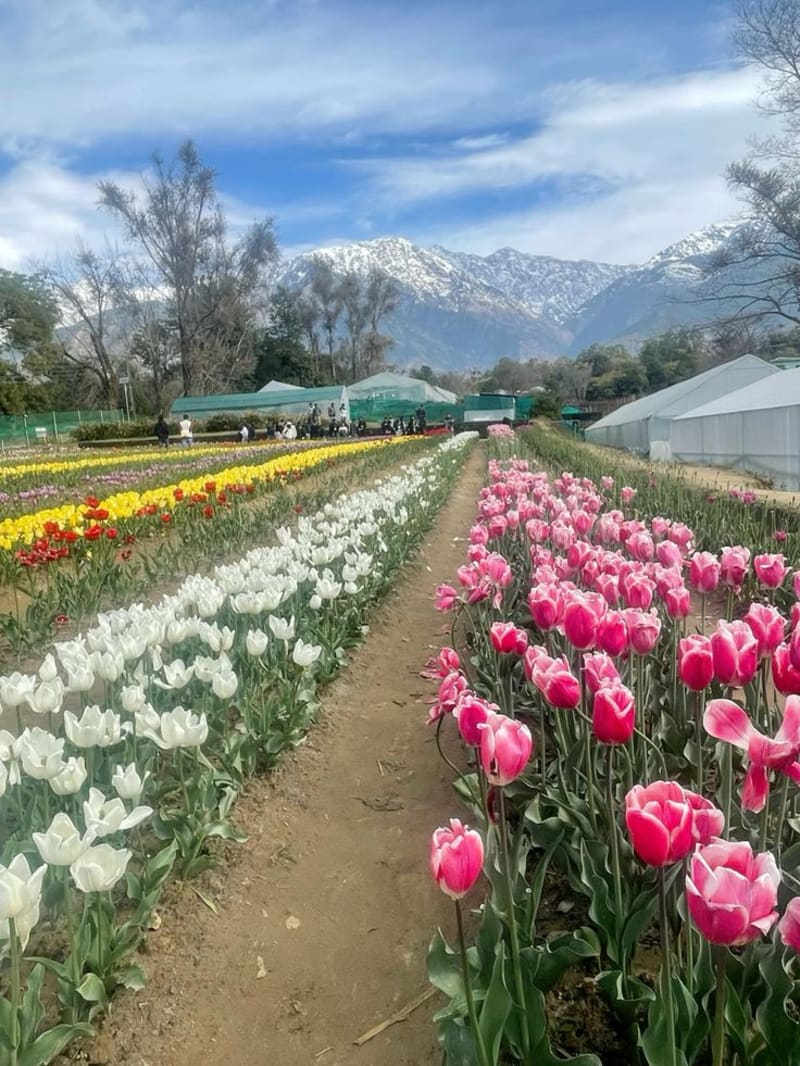
Palampur Travel Guide: Tea Gardens, Dhauladhars & Kangra Culture
Planning a Palampur trip? Discover the best places to visit, tea gardens, things to do, travel tips and everything you need to know before you go.
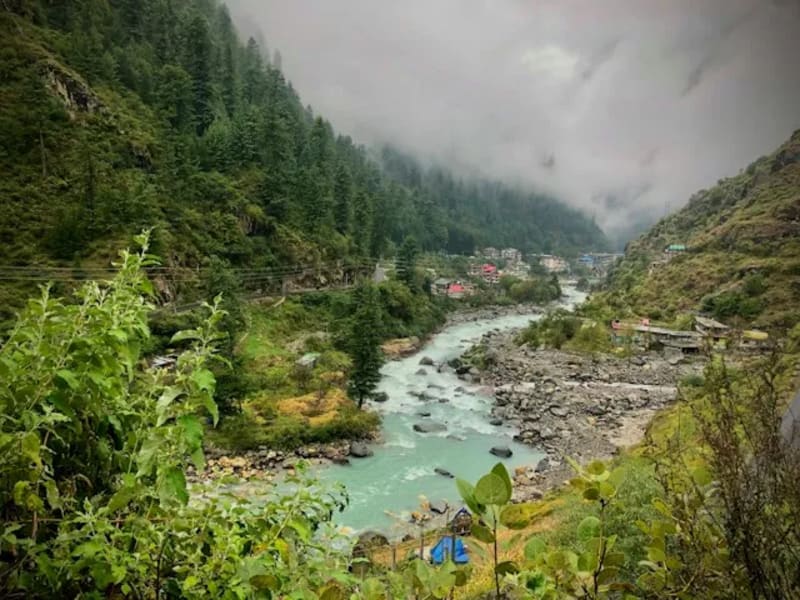
Kasauli Travel Guide: History, Places to Visit, Cost & Trip Planning
Plan a Kasauli trip with this practical guide covering places to visit, weather, travel routes, food, stay, itinerary and travel tips.
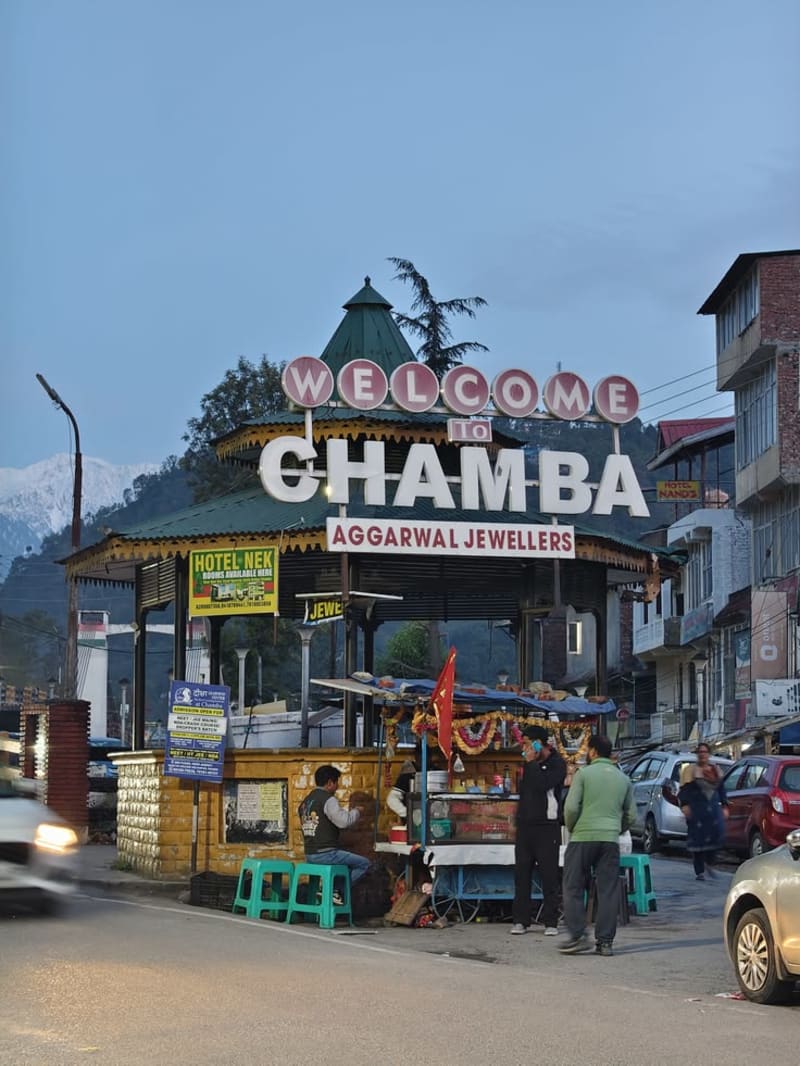
Chamba Travel Guide: History, Temples, Food & Things to Do
Plan a Chamba trip with this practical travel guide covering places to visit, food, weather, routes, itinerary, and travel tips.