
Sri Lanka Tour Package & Travel Guide 2026: 8-Day Itinerary
An Island That Packs Rainforest, Desert, and Highland Tea Into One Coastline
Sri Lanka is small enough that you can drive from a dry, arid northern plain to misty highland tea country to a tropical southern beach in a single day — a compression of climates and landscapes that few countries this size manage.
That geography shaped its history too: ancient kingdoms rose in the dry-zone interior around Anuradhapura and Polonnaruwa more than two thousand years ago, leaving behind stupas and irrigation tanks engineered with a precision that still functions today. Later, the hill country's tea industry — introduced by the British after a coffee blight wiped out the earlier crop in the 1860s — reshaped the highlands into the terraced green landscape most people now associate with Ella and Nuwara Eliya.
It's a compact history lesson and a compact country. This is exactly why it works so well as a focused, unhurried trip rather than a checklist — and why it's consistently rated among the best-value international destinations for Indian travellers.
Visa and Entry Requirements (Updated for 2026)
Getting into Sri Lanka is highly straightforward, provided you follow the current rules. On-arrival visas are no longer accepted; an Electronic Travel Authorization (ETA) is mandatory before you fly.
The Process: You must apply online before your arrival.
Cost for Indians: Under a scheme effective from May 25, 2026, the tourist ETA is completely free for Indian passport holders.
Validity: It grants a 30-day stay from your date of first arrival, with a double-entry facility (allowing a quick side-trip to the Maldives, for example, though both entries must fall within the same 30-day window).
What you need at immigration: Your passport (valid for at least 6 months), a printed or digital copy of your approved ETA, proof of a return flight, and a confirmed hotel booking.
When to Go: Understanding Sri Lanka's Two Monsoons
Because Sri Lanka is hit by two separate monsoons at different times of the year, there is no single "best" month for the whole country. If you are doing the classic circuit (Cultural Triangle, Hill Country, South Coast), December to April is your safest bet.
Region | Best Weather | Peak Monsoon (Avoid) | Key Highlight Timing |
South & West Coast (Galle, Mirissa, Colombo) | Dec – Apr | May – Sep | Blue Whale watching peaks in Mirissa (Dec–Mar). |
Hill Country (Ella, Kandy, Nuwara Eliya) | Dec – Apr | Oct – Nov | Cold at night year-round; expect mist. |
East Coast (Arugam Bay, Trincomalee) | May – Sep | Nov – Jan | Surfing season in Arugam Bay is July–August. |
Cultural Triangle (Sigiriya, Dambulla) | Jan – Sep | Oct – Dec | Hot and dry for most of the year. |
The Ideal 8-Day Sri Lanka Itinerary: History, Highlights & Logistics
A common mistake is trying to cover the entire island in a week. This day-by-day route focuses on the Cultural Triangle, the Hill Country, and the South Coast. It gives you enough time to truly understand the island's deep history without exhausting yourself with excessive driving.
Day 1: Arrival & Transfer to Kandy
Upon landing in Colombo, you'll want to escape the coastal humidity right away. You will drive directly to Kandy, a smooth journey that takes about three and a half hours.
Kandy holds a deeply significant place in the island's past. It was the last independent royal capital of Sri Lanka, fiercely resisting colonial rule for centuries before finally falling to the British in 1815.
Today, it remains the cultural and spiritual heart of the island. Once you settle in, take a peaceful evening walk around Kandy Lake. This beautiful artificial lake was built by the last king in 1807 and serves as the perfect spot to slow down and adjust to the local pace.
Day 2: Kandy & The Sacred Tooth Relic
Start your morning with a visit to the Temple of the Sacred Tooth Relic. According to local history, in the 4th century, the sacred tooth relic of the Buddha was smuggled into Sri Lanka hidden safely in the hair of a princess.
Historically, it was believed that whoever held this relic held the divine right to rule the island, making it the ultimate symbol of power.
Afterward, head over to explore the Royal Botanical Gardens at Peradeniya. Originally created as a private pleasure garden for Kandyan royalty, the British later transformed it into a stunning, world-class botanical reserve covering 147 acres. Cap off your evening by watching a traditional Kandyan cultural dance show.
Day 3: The Cultural Triangle (Day Trip to Sigiriya)
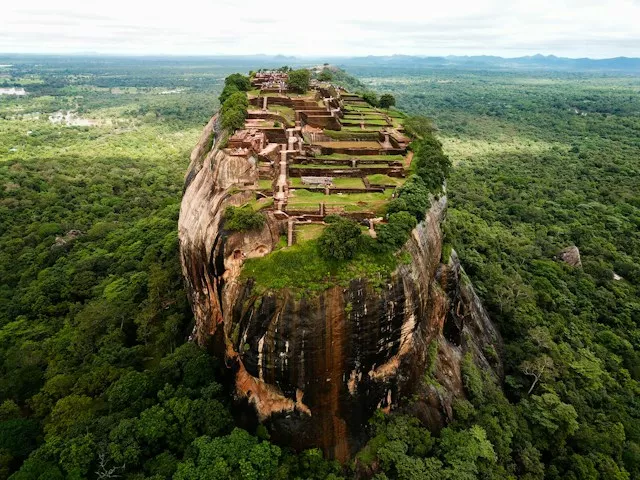
To beat the intense midday heat, you will need to wake up early and drive two and a half hours north. Your main destination is Sigiriya, famously known as Lion Rock.
Back in the 5th century, King Kasyapa usurped the throne. Fearing retaliation from the rightful heir, he built his impenetrable palace on top of this massive 200-metre-high rock.
Today, it stands as an absolute engineering marvel. As you climb, you will pass ancient frescoes and the highly polished Mirror Wall before reaching the ruined palace at the summit. On your drive back to Kandy, you can stop at the Dambulla Cave Temple, a massive cave network that sheltered ancient kings and now houses over 150 stunning Buddha statues.
Day 4: The Scenic Train to Nuwara Eliya
It’s time to board the morning train from Kandy toward the misty tea country. A crucial logistical detail here is that Nuwara Eliya does not have its own train station. You will actually alight at Nanu Oya station and take a short 15-minute drive into town.
Founded in 1846, Nuwara Eliya was built as a cool retreat for British civil servants looking to escape the sweltering heat of Colombo. Its Tudor-style architecture and chilly climate quickly earned it the nickname "Little England."
Spend your afternoon taking a boat ride on Gregory Lake, visiting the iconic red-brick Post Office, and enjoying high tea at a colonial-era hotel. Just be sure to keep a jacket handy, as evening temperatures drop surprisingly low.
Day 5: Train to Ella & Tea Plantations
Catch the train from Nanu Oya to Ella, a journey of roughly three hours. This specific stretch is pure magic because the landscape dramatically shifts from dense alpine forest to rolling, manicured tea terraces.
Interestingly, Sri Lanka wasn't always famous for tea. It was initially a massive coffee producer until a devastating fungal disease wiped out the crops in the 1860s. The British then brought tea from China and India, reshaping the highland landscape forever.
In the afternoon, take a guided tour of a working Ceylon tea factory. You will walk through the entire withering, rolling, and drying process, ending your day with a professional tea tasting session.
Day 6: Ella's Iconic Sights
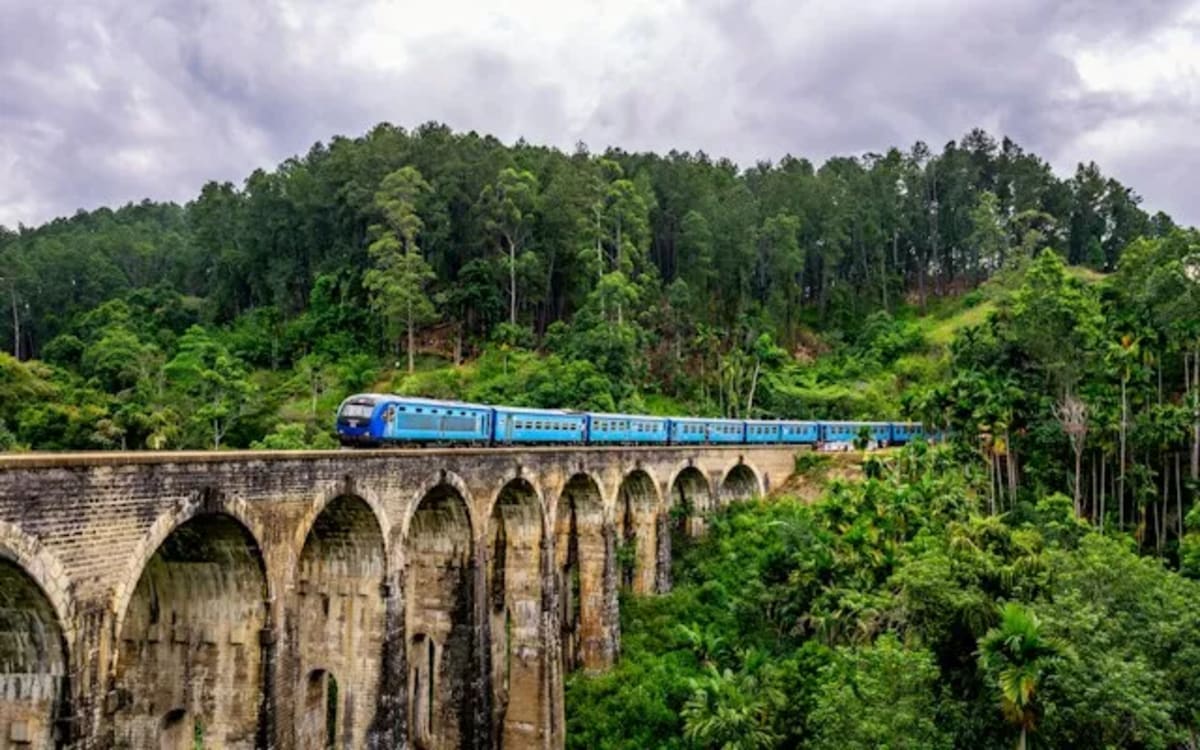
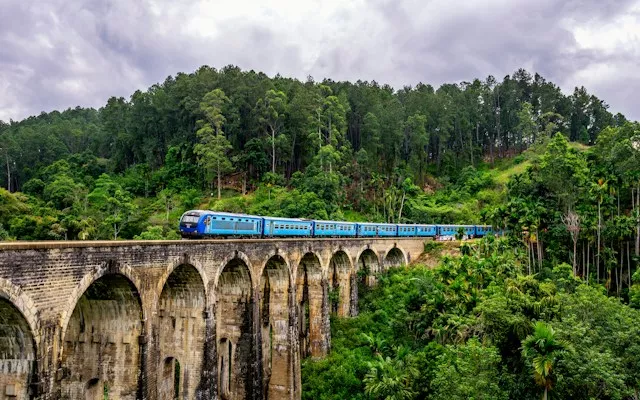
Ella is a relaxed, backpacker-friendly mountain village famous for its dramatic gorges. Wake up early and head to the Nine Arch Bridge, often called the Bridge in the Sky, to watch the morning train pass over.
Built during the British colonial era, local legend says the bridge was constructed entirely out of brick, rock, and cement—without a single piece of steel. This happened because World War I broke out, and the steel originally assigned for the bridge was reallocated to the war effort.
Later in the day, take the highly scenic, 45-minute hike up Little Adam's Peak for panoramic views of the Ella Gap. Just remember not to confuse this with the grueling 2,243-metre Adam's Peak near Hatton, which is a much more intense pilgrimage climb meant for serious trekkers.
Day 7: The South Coast & Galle Fort
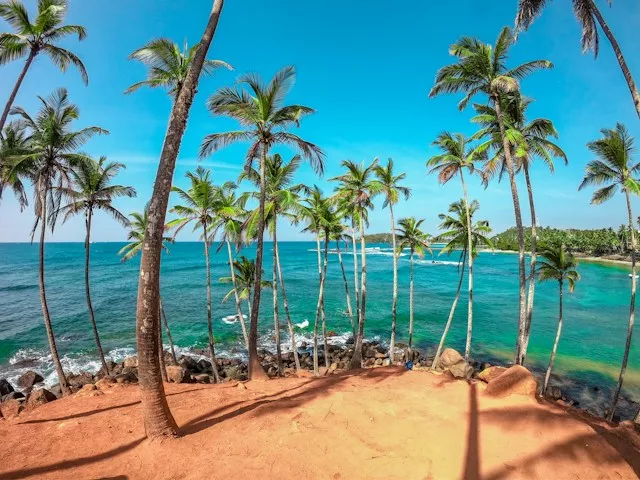
Leave the mountains behind and drive down to the southern coast, which takes roughly three and a half hours. If you are visiting during the right season, you can start your coastal experience with a morning whale-watching cruise in Mirissa.
Spend your late afternoon walking the cobblestone streets of Galle Fort. Originally built by the Portuguese in 1588, it was heavily fortified by the Dutch in the mid-1600s and is now the best-preserved colonial sea fortress in South Asia.
It’s a fascinating living city where European architectural styles blend beautifully with South Asian traditions. Visit the Galle Lighthouse, the Dutch Reformed Church, and simply sit on the old ramparts to watch the sunset over the Indian Ocean.
Day 8: Departure
On your final day, enjoy a relaxed morning by the beach and grab a nice breakfast before beginning your journey home.
You will drive from the South Coast directly to Colombo Airport via the modern Southern Expressway. It's a very smooth trip that takes approximately two and a half hours, bringing your Sri Lankan adventure to a perfect close.
Transport Decision Guide: Train vs. Private Driver
While public buses exist, most travellers choose between a private driver and the railway.
The Train (Essential for the Hills): The Kandy-to-Ella route is considered one of the most scenic in Asia. However, reserved seats (1st class AC or 2nd class with open windows for photos) sell out instantly. You can book tickets exactly 30 days in advance online. If you miss the booking window, you will end up in unreserved 3rd class, standing for 6 hours.
Private Driver (Best for the Rest): Hiring a private car and driver for the duration of your trip is the most time-efficient way to travel. They handle your luggage, navigate chaotic roads, and act as informal guides. (TravelTech packages include dedicated private transport).
Safari Showdown: Which Park is Best?
Sri Lanka is arguably the best destination in Asia for large mammal safaris, but choosing the right park is critical.
Yala National Park: The most famous, offering the highest density of leopards in the world. Crucial warning: Blocks 1 and 2 of Yala officially close every year from September 14 to October 15 for drought relief and infrastructure maintenance. If travelling then, you must visit other blocks or a different park.
Udawalawe National Park: The best year-round park for guaranteed wild elephant sightings, often compared to the East African savannah. Great for families.
Minneriya National Park: Famous for "The Gathering," where hundreds of elephants congregate around the Minneriya tank during the dry season (July to September).
Expected Costs & Budgeting (2026 Prices)
Sri Lanka remains highly affordable. While luxury resorts can cost hundreds of dollars a night, mid-range boutique hotels offer incredible value. (1 USD = approx. 330 LKR).
Expense Type | Estimated Cost |
Sigiriya Rock Fortress Entry | $35 USD (Non-SAARC) / $20 USD (SAARC passport holders) |
Temple of the Tooth Entry | ~$6 USD (2000 LKR) |
Yala Safari (Jeep + Entry) | ~$40 - $60 USD per person (depends on shared vs. private jeep) |
Reserved Train Ticket (1st Class) | ~$10 - $15 USD (if booked officially) |
Local Meal (Kottu Roti / Rice & Curry) | $2 - $5 USD |
Note: Tuk-tuks, small guesthouses, and rural markets operate heavily on cash. Ensure you carry Sri Lankan Rupees (LKR) outside of major cities.
What to Eat
Rice and Curry: Sri Lanka's everyday meal, usually served with several small curries, dal, and sambols (like Pol Sambol made of coconut, lime, and chili).
Kottu Roti: Chopped flatbread stir-fried with vegetables, egg, or meat — best eaten from a roadside stall with the rhythmic chopping sound as the soundtrack.
Hoppers (Appa): Bowl-shaped fermented rice pancakes, often with an egg cracked into the centre for breakfast.
Common First-Timer Mistakes to Avoid
Not booking the Kandy-Ella train 30 days ahead: Latecomers are left standing for a multi-hour journey.
Underestimating hill-country temperatures: Ella and Nuwara Eliya sit at altitude and get genuinely cold at night. Packing only beachwear is a major error.
Assuming Adam's Peak is in Ella: Many tourists show up in Ella wanting to climb Adam's Peak, only to realize the famous pilgrimage site is hours away near Hatton. Ella is home to the much easier, 45-minute Little Adam's Peak hike.
Skipping travel insurance for safaris: Wildlife safaris involve open-jeep rides on incredibly uneven terrain. Ensure your insurance covers activity-related injuries.
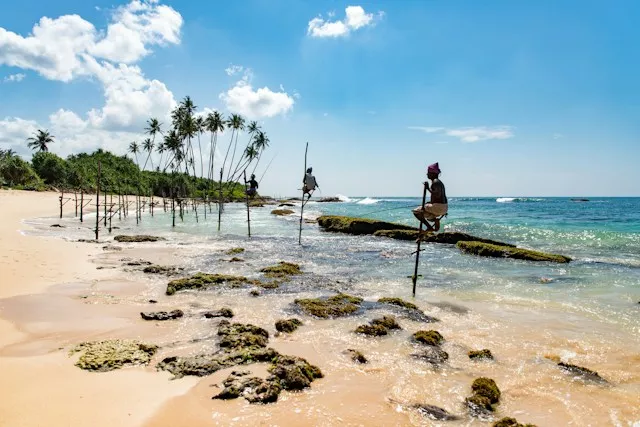
Falling for Stilt Fisherman Photo-Ops: The famous stilt fishermen near Koggala and Weligama are largely staged for tourists today. Expect to be asked for money (often 1000+ LKR) if you stop to take a photo.
Explore TravelTech's Sri Lanka Packages
Sri Lanka rewards a slower pace than its size suggests it needs — a train through tea country, a curry meal eaten properly, a sunset over Galle Fort's ramparts. Let TravelTech handle the ETA, the 30-day advance train bookings, and the routing; you handle the extra cup of tea.
TravelTech's Sri Lanka tour packages start from around ₹22,999 per person, covering 5–7 nights across the cultural triangle, hill country, and south coast.
👉 Browse TravelTech's Sri Lanka Tour Packages — current batches, inclusions, and pricing.
👉 Explore all International Tour Packages to compare against other short-haul options.
👉 Message us on WhatsApp for current batch pricing and custom group options.
728 × 90 — Leaderboard
❓ Frequently Asked Questions
Do Indians need a visa for Sri Lanka?
Can I extend a Sri Lanka trip with a South India stopover?
How many days do I need for Sri Lanka?
Is Sri Lanka budget-friendly?
Is the Kandy-Ella train worth booking in advance?
When is the best time for whale watching in Mirissa?
Is Sri Lanka good for a short trip from India?
Is Sri Lanka safe for Indian travellers?
Can Sri Lanka be combined with a South India trip?
Is Sri Lanka good for a family trip with kids?
📚 Related Guides
More Travel Stories
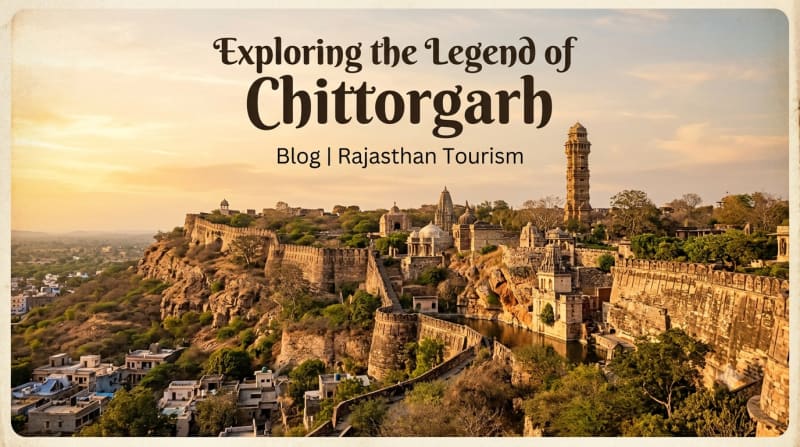
Chittorgarh Fort: History, Three Sieges, Vijay Stambh, Padmini Palace & Visitor Guide
Chittorgarh Fort explained: Mewar history, three famous sieges, Vijay Stambh, Rana Kumbha Palace, Meera Temple, Gaumukh Kund, timings, tickets and tips.
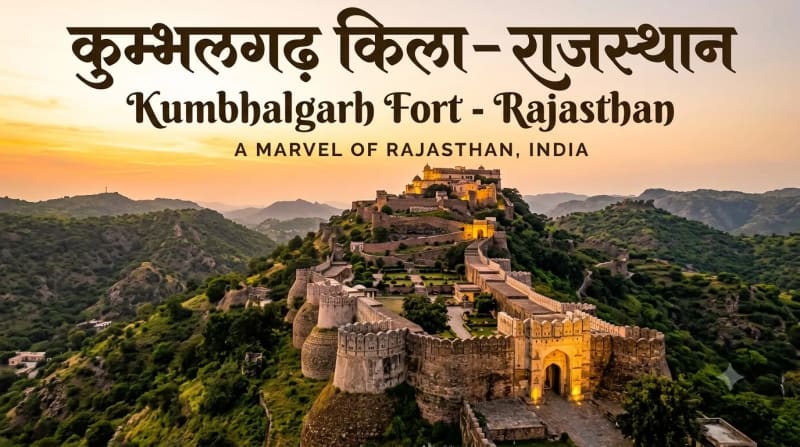
Kumbhalgarh Fort: History, 7 Gates, Temples, Badal Mahal & Complete Visitor Guide
Kumbhalgarh Fort explained using ASI information boards: Rana Kumbha's history, seven gates, Neelkanth and Parsvanatha temples, Badal Mahal and visit tips.
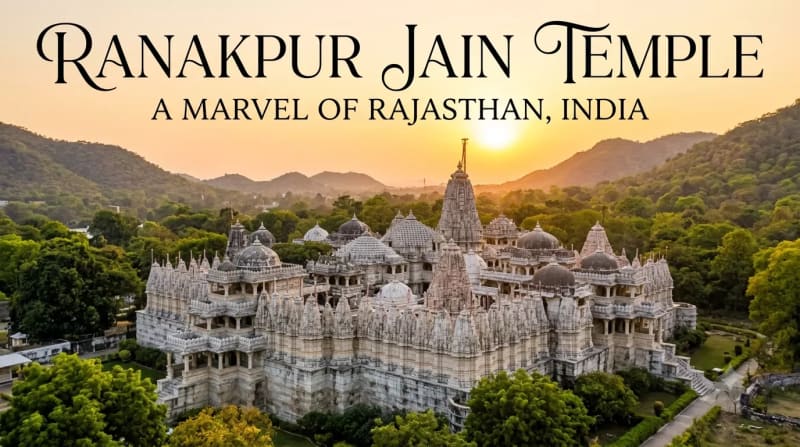
Ranakpur Jain Temple: History, 1,444 Pillars, Architecture, Timings & Visitor Guide
Ranakpur Jain Temple explained: Dharna Shah's dream, Rana Kumbha's role, the 1,444 pillars, architecture, timings, dress code and how to plan your visit.