
A day-by-day Sikkim 7 days itinerary covering Gangtok, Tsomgo Lake, Lachung, Yumthang Valley and Pelling, with best time, permits and travel tips.
Quick answer: A 7-day Sikkim itinerary works best as: Day 1 arrive in Gangtok, Day 2 Tsomgo Lake and Baba Mandir, Day 3 drive to Lachung, Day 4 Yumthang Valley and return to Gangtok, Day 5 drive to Pelling via Ravangla, Day 6 Pelling sightseeing, and Day 7 return to Bagdogra or NJP. Fly into Bagdogra, plan North Sikkim with a permit, and go in October–November or April–May for the best weather.
Sikkim is a trip of contrasts: lively evenings in Gangtok, winding mountain roads to Lachung, open alpine landscapes in Yumthang Valley, and quiet monasteries with views of the Kanchenjunga range around Pelling. A well-planned Sikkim 7 days itinerary brings these experiences together, although mountain weather and road conditions can affect the schedule.
One important planning detail: seven days is enough for a highlights tour, but it is not a relaxed holiday if you want to cover every corner of the state. Keep some flexibility for the North Sikkim road journey, where conditions can change quickly.
The story behind Sikkim: a kingdom shaped by the mountains
Before Sikkim became a destination for mountain holidays, it was a Himalayan kingdom with a distinctive Buddhist heritage. The Namgyal dynasty established the Kingdom of Sikkim in the 17th century, and the coronation of its first Chogyal, Phuntsog Namgyal, took place at Yuksom in 1642. Yuksom remains an important historical destination in western Sikkim.
That history is worth remembering when you visit its monasteries. They are not simply scenic stops for photographs; they are part of a living religious and cultural tradition.
Today, a journey through Gangtok, Lachung, Yumthang Valley and Pelling reveals different sides of the same state. Gangtok feels lively and modern, Lachung offers a glimpse of mountain village life, Yumthang opens into a high-altitude valley, and Pelling brings you closer to Sikkim's historic monasteries and dramatic Himalayan views.
The best part of this route is the change in scenery. You don't spend the entire week looking at the same landscape.
Top places to visit on a Sikkim 7 days itinerary
Gangtok — the starting point
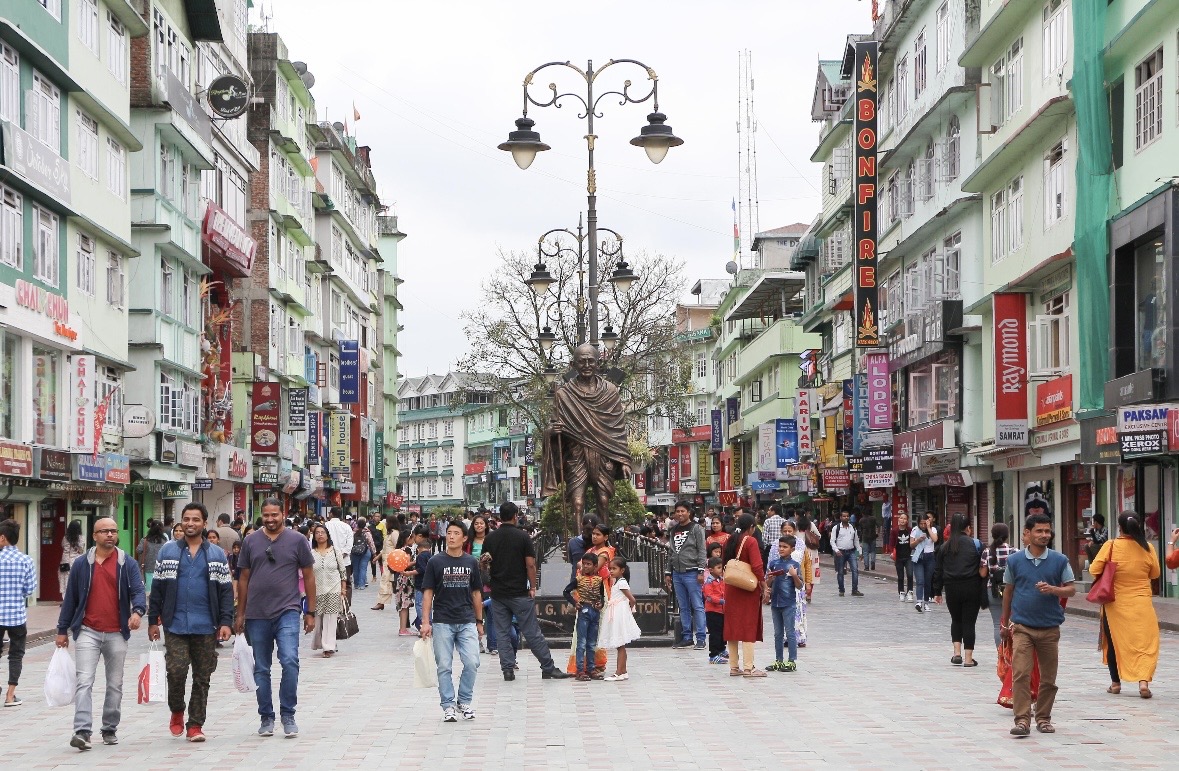
Gangtok is where the trip finds its rhythm. Spend an evening walking along MG Marg, browse small shops, try local food and enjoy the mountain-town atmosphere. If your arrival is early enough, visit a monastery or viewpoint, but avoid packing too much into the first day.
Tsomgo Lake — a high-altitude excursion
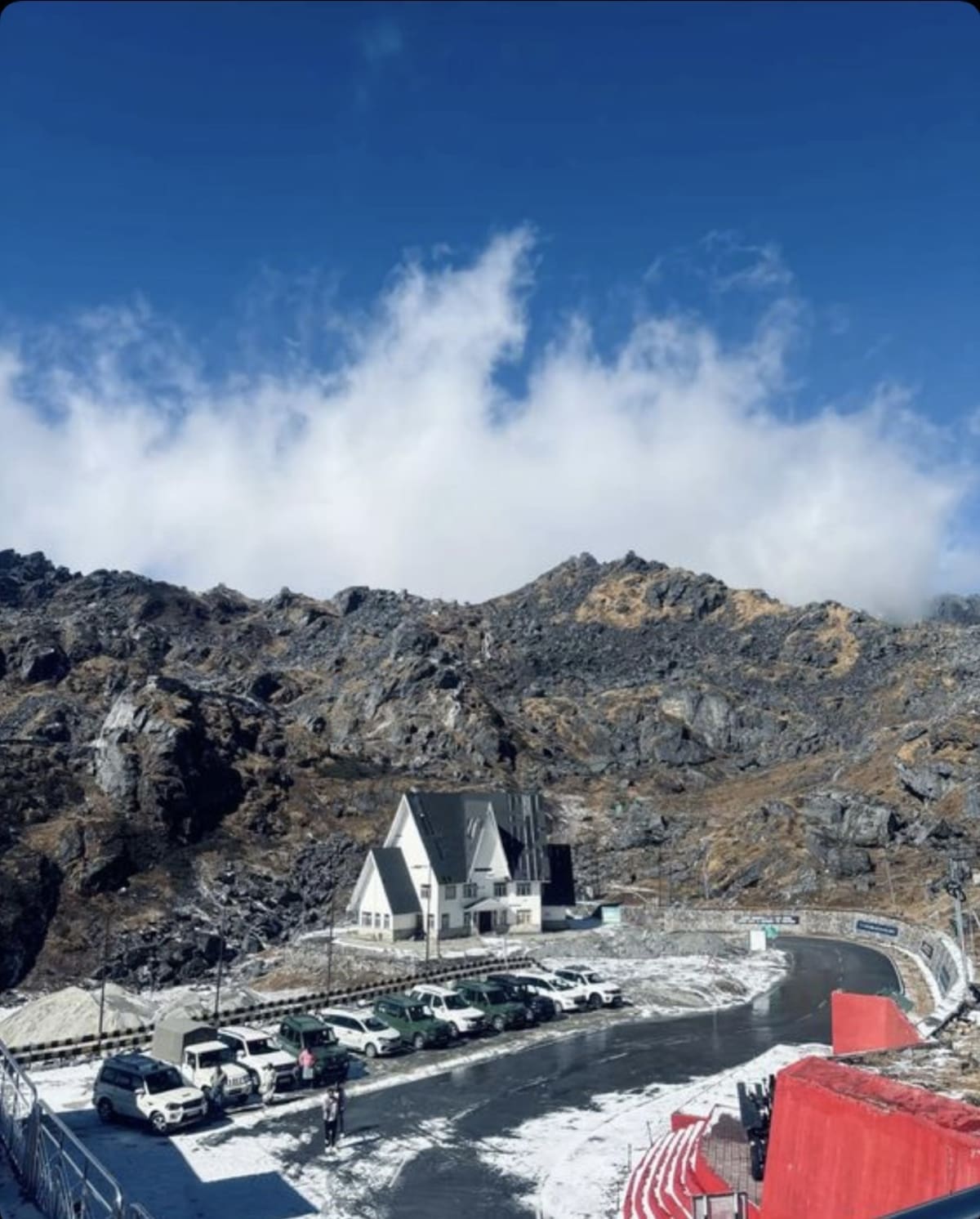
This glacial lake is a popular excursion from Gangtok. Its appearance changes with the season, from clearer blue-green tones to snow-framed winter scenery. A visit can be paired with Baba Mandir, and Nathula Pass may be possible for eligible Indian visitors when permits and conditions allow. These excursions require separate planning and should not be assumed included in every package
Lachung — a village among the mountain
The drive to Lachung is an experience in itself, with forested slopes, rivers and waterfalls along the route when conditions permit. The village serves as a base for exploring Yumthang Valley. Expect a simpler, colder mountain stay than in Gangtok, and be prepared for an early start the following morning.
Yumthang Valley — the valley of flowers
Yumthang is known for its alpine scenery, seasonal flowering plants and surrounding mountain peaks. Spring is particularly attractive when rhododendrons bloom, while winter can bring snow-covered landscapes. Flowering dates vary, and heavy rain or snow may affect access. Zero Point is a possible additional excursion, subject to road access, permits and local arrangements.
Pelling — for Kanchenjunga views
Pelling is a good place to slow down after the longer North Sikkim drive. On a clear morning, the Kanchenjunga range can dominate the horizon. Weather matters, so give yourself time to enjoy the view rather than expecting a perfect mountain panorama at a fixed hour.
Pemayangtse Monastery — history and quiet
One of Sikkim's important historic monasteries, Pemayangtse offers a different experience from the state's busy viewpoints. Take time to appreciate the architecture and religious setting, and follow local rules about photography and respectful behaviour.
Khecheopalri Lake — a peaceful detour
Surrounded by forest, this sacred lake is associated with Buddhist and local spiritual traditions. The atmosphere is quieter than at many headline attractions. If your schedule allows, combine it with nearby western Sikkim sightseeing, depending on road conditions and the time needed to return.
Other attractions worth considering include Banjhakri Falls near Gangtok, the Buddha Park at Ravangla on the route towards Pelling, and the historic Rabdentse ruins near Pelling. You may need to choose between them rather than trying to cover everything in one week.
Sikkim 7 days itinerary: day-by-day plan
Day 1: Bagdogra or NJP to Gangtok
Land at Bagdogra Airport or arrive at New Jalpaiguri station and start the 4–5 hour drive to Gangtok. The road follows the Teesta river through forested hills, with a tea stop on the way. Check in at your Gangtok hotel, rest for a while, then walk down to MG Marg in the evening for momos, local cafés and the pedestrian-only market street. Dinner is at the hotel. Overnight in Gangtok.
Day 2: Tsomgo Lake and Baba Mandir
After breakfast, drive up to Tsomgo Lake at around 12,300 ft, a glacial lake that looks very different in every season. Continue to Baba Harbhajan Singh Mandir, and add Nathula Pass if you are an Indian national and permits and weather allow. Have a simple lunch on the way back, keep the evening free for shopping in Gangtok, and have dinner at the hotel. Overnight in Gangtok.
Day 3: Gangtok to Lachung
Leave after breakfast for the long drive to Lachung in North Sikkim, which takes 6–7 hours. The route passes Seven Sisters Waterfall, Naga Falls and the Teesta valley, with a lunch stop at Mangan or Chungthang. You reach a small, cold mountain village by evening; have a hot dinner at the homestay or hotel and sleep early. Overnight in Lachung.
Day 4: Yumthang Valley, then back to Gangtok
Start early with breakfast and drive to Yumthang Valley, famous for rhododendrons in spring and snow in winter. Zero Point can be added if the road is open and your permit covers it. Return to Lachung for lunch and then drive back to Gangtok, which makes this the longest day of the trip. Dinner and overnight in Gangtok.
Day 5: Gangtok to Pelling via Ravangla
After breakfast, drive west towards Pelling, stopping at the Buddha Park in Ravangla to see the large Buddha statue against the hills. Have lunch en route and reach Pelling by late afternoon. If the sky is clear, the Kanchenjunga range shows up right from your hotel. Dinner and overnight in Pelling.
Day 6: Pelling sightseeing
Wake up early for sunrise views of Kanchenjunga, then have breakfast and visit Pemayangtse Monastery, the Rabdentse ruins and the Pelling Skywalk. In the afternoon, drive to the sacred Khecheopalri Lake, surrounded by forest, and stop at Kanchenjunga Falls on the way. Lunch is at a local café and dinner at the hotel. Overnight in Pelling.
Day 7: Pelling to Bagdogra or NJP
Have breakfast and start the 5–6 hour drive back to Bagdogra or New Jalpaiguri for your onward flight or train, with a lunch stop on the way. Keep a buffer of a few hours, because mountain roads can slow down without warning.
Best time to visit Sikkim
The right season depends on whether you prefer flowers, clear mountain views or snow. Sikkim's weather can vary substantially between lower towns and high-altitude North Sikkim.
Spring and early summer — March to June
A strong choice for sightseeing, greener landscapes and seasonal flowers. April and May are particularly popular for the possibility of rhododendron blooms around Yumthang, though exact flowering and road conditions vary each year.
Autumn — September to November
Often a good period to seek clearer mountain views after the monsoon. October and November can be excellent for photography and comfortable sightseeing, although high-altitude areas can already be very cold.
Winter — December to February
Ideal for travellers hoping to see snow, but not for anyone who needs every stop to be guaranteed. Snowfall, road closures and extreme cold can disrupt the Lachung–Yumthang section, so allow flexibility and check conditions before departure
Monsoon — July to August
The hills turn lush, waterfalls become more dramatic and clouds move across the valleys. However, landslides, heavy rain and road disruptions make this the least predictable season for a tight seven-day itinerary.
Best months for a TravelTech group trip: October–November and April–May are sensible months to consider for this route because they offer appealing seasonal scenery and generally favourable sightseeing opportunities. Check the actual departure calendar before choosing dates.
What to eat in Sikkim
Sikkim's food is one of the most enjoyable parts of the trip, especially when the weather turns cold. Many dishes are warming, filling and made for mountain climates.
Momos
Steamed dumplings filled with vegetables, chicken or other fillings, usually served with a spicy chutney. A reliable choice after a long day of sightseeing.
Thukpa
A hot noodle soup with vegetables or meat. It is particularly satisfying on chilly evenings in Gangtok and Lachung.
Gundruk soup
A traditional fermented leafy-green preparation with a distinctive tangy flavour. Worth trying if you enjoy regional food rather than just familiar restaurant dishes.
Phagshapa
A traditional Sikkimese pork dish cooked with radish and chillies. Ask about the ingredients when ordering, especially if you have dietary restrictions.
Sel roti
A traditional ring-shaped rice bread enjoyed in Nepali food culture. It is a good option to look for alongside local tea or during a traditional meal.
Try local cheese preparations such as churpi too, if you find them on the menu. Vegetarian travellers will generally find rice, noodles, soups, thukpa and vegetable momos, but it is wise to confirm ingredients and cooking methods.
Where to stay in Sikkim
For a seven-day route, choosing the right overnight stops matters more than finding the fanciest hotel. Long road journeys can be tiring, and a convenient location makes sightseeing easier.
Stay type Best area What to look for
Luxury hotels Gangtok, Pelling Mountain-facing rooms, heating where needed, restaurant facilities
Boutique hotels and homestays Gangtok, Lachung, Pelling Local hospitality, scenic surroundings, comfortable rooms
Budget hotels Gangtok and Pelling town areas Clean rooms, hot water, reliable transport access
Mountain guesthouses Lachung Heating arrangements, warm bedding, meals and road access
My recommendation: Spend for convenience in Gangtok, prioritise warmth and basic comfort in Lachung, and choose Pelling for its location and potential mountain views. A room advertised as having a mountain view cannot guarantee a clear Kanchenjunga sighting.
For a TravelTech group trip, confirm the actual accommodation standard, room-sharing arrangement, meal plan and hotel names before booking.
Before you leave: practical tips
A few small preparations can make a significant difference on this route.
Pack layers: Warm clothing, a waterproof jacket, comfortable shoes, sunscreen and personal medicines are useful even outside winter.
Keep documents accessible: Carry valid identity documents and any permit paperwork required for your route.
Carry some cash: Digital payments are convenient in larger towns, but connectivity and payment facilities can be unreliable in remote areas.
Download confirmations: Keep hotel details, transport contacts and bookings accessible offline.
Respect local culture: Follow monastery rules, ask before photographing people and avoid leaving litter in valleys or near lakes.
Keep buffer time: Don't schedule a tight flight connection immediately after a long mountain drive.
Closing thoughts
A week in Sikkim is not just about ticking four destinations off a list. It is about the shift from Gangtok's busy streets to the stillness of Lachung, the wide-open landscape of Yumthang and the mountain silhouettes around Pelling.
Plan the route carefully, allow for the realities of Himalayan travel and leave enough time to appreciate the places between the famous stops. Those quieter moments often become the most memorable part of the journey.
✈️ Related Trips from TravelTech
Gangtok, Sikkim & Darjeeling
Gangtok & Darjeeling Trip
View details
Shillong & Cherrapunji, Meghalaya
Meghalaya Road Trip (Ex Guwahati)
From ₹18,999/-
per person
Meghalaya & Assam
Meghalaya with Kaziranga National Park
From ₹20,999/-
per person

Srinagar, Gulmarg, Sonamarg & Pahalgam
Fitoor-E-Kashmir Strangers Trip
From ₹12,999/-
per person
728 × 90 — Leaderboard
❓ Frequently Asked Questions
Is 7 days enough for Sikkim?
What is the best route for a 7-day Sikkim trip?
Do I need permits for this Sikkim itinerary?
What is the best time to follow this itinerary?
Can I see snow in Sikkim in 7 days?
How long is the drive from Gangtok to Lachung?
Is Pelling worth adding to a Sikkim trip?
How do I reach Gangtok to start the trip?
Is this Sikkim itinerary suitable for families?
What should I pack for Sikkim?
📚 Related Guides
More Travel Stories

Weekend Getaways from Delhi in Winter: 12 Best Places
Find the 12 best winter weekend getaways from Delhi, from Rishikesh and Jaipur to Lansdowne and Jim Corbett, with drive times, budgets and a 2-day plan.

Best Winter Treks in India 2026: 10 Snow Treks for Beginners
Compare the 10 best winter treks in India for 2026, from Kedarkantha and Brahmatal to Nag Tibba, with difficulty, routes, costs and a packing list.

Christmas Trip in India 2026: 8 Best Places to Celebrate
Find the best places for a Christmas trip in India in 2026, from Goa and Shillong to Kochi and Kashmir, with long weekend plans, budgets and booking tips.