
Planning a family holiday in Rajasthan? Explore 12 incredible destinations featuring historic forts, royal palaces, peaceful lakes, wildlife safaris, sacred temples and desert adventures, along with their history and the experiences that make each place worth visiting.
Quick answer: Rajasthan works well for a family holiday between October and March. For a first trip, 5–7 days covering Jaipur and Udaipur, or Jaipur, Jodhpur and Udaipur, gives the best mix of forts, palaces, lake boat rides and easy sightseeing. Add Jaisalmer for a desert camp, Ranthambore for a jungle safari or Mount Abu for cooler weather. Plan fewer cities, keep rest time for kids and elders, and book safaris and popular monuments in advance.
Introduction: A Family Holiday Through Rajasthan's Royal Heritage
Rajasthan is a destination where history is not confined to museums. It can be experienced while walking through the courtyards of ancient palaces, exploring imposing hilltop forts, watching traditional performances, boating on scenic lakes, and learning about the desert communities that have shaped the region for generations.
The state's royal history includes the kingdoms of Mewar, Marwar, Amber, and other historic regions. Their architecture, traditions, cuisine, and local crafts give each destination a distinctive character. Jaipur offers planned-city architecture and royal observatories, Udaipur is known for its lakes and Mewar heritage, Jodhpur showcases the imposing Mehrangarh Fort, and Jaisalmer preserves a remarkable living fort in the Thar Desert.
For families, the appeal goes beyond sightseeing. Children can learn about forts and kingdoms, parents can enjoy cultural experiences and heritage stays, and grandparents can appreciate temples, gardens, and relaxed lakeside evenings.
The key is to choose destinations according to your family's interests, available days, mobility, and preferred pace rather than attempting to cover the entire state in one trip.
Best Places to Visit in Rajasthan with Family
Jaipur—The Pink City
Best for: First-time visitors, children, history enthusiasts, and families interested in architecture.
Jaipur is one of the strongest starting points for a Rajasthan family holiday because it combines historic landmarks, accessible city attractions, traditional shopping, gardens, and a wide choice of accommodation.
History and historical significance
Jaipur was founded in 1727 by Maharaja Sawai Jai Singh II, the ruler of Amber. As the older capital faced growing population and water-related pressures, Jai Singh II established a new city with a planned layout. Architect Vidyadhar Bhattacharya helped design it.
Jaipur is widely associated with its pink-colored old-city buildings. The tradition became particularly prominent when the city was painted pink in 1876 to welcome the Prince of Wales, reflecting the color's association with hospitality.
Major places to visit and why they matter
1. Amber Fort
Amber Fort was developed under the Kachwaha Rajput rulers and became an important seat of their power before Jaipur was established. Its courtyards, gateways, painted interiors, and Sheesh Mahal demonstrate the craftsmanship and courtly life of the period.
Why visit with family: Children can explore the fort's layout and learn how royal families lived. Adults can appreciate its architecture and views over Maota Lake. Expect uphill walking and stairs; plan accordingly for older relatives.
2. Hawa Mahal
Built in 1799 by Maharaja Sawai Pratap Singh, Hawa Mahal is famous for its distinctive façade and numerous small windows. Its design allowed royal women to observe street life and processions while maintaining the privacy expected at court.
Why visit with family: It is an excellent introduction to Rajput architecture, makes for a memorable family photograph, and can be explored as part of an old-city sightseeing route.
3. Jantar Mantar
This astronomical observatory was commissioned by Sawai Jai Singh II in the 18th century. Its large masonry instruments were designed to observe celestial movements and measure time.
Why visit with family: Older children and teenagers can connect mathematics, science, and astronomy with real historical instruments. A guided explanation makes the visit more engaging than simply walking through the site.
4. City Palace
Developed alongside Jaipur, the City Palace served as a royal residence and administrative center. Its courtyards, galleries, and decorated buildings reflect the city's royal history.
Why visit with family: It offers a closer look at royal costumes, artifacts, court traditions, and architecture. Allow extra time if your family enjoys museums.
5. Jal Mahal
Jal Mahal is a palace set within Man Sagar Lake, associated with Jaipur's historic royal landscape. Its striking setting makes it one of the city's best-known landmarks.
Why visit with family: It is a good short photo stop on a busy sightseeing day. Do not assume the palace interiors are open to general visitors; plan around the permitted viewing areas.
6. Nahargarh Fort
Nahargarh formed part of Jaipur's historic hill defences, together with Amber and Jaigarh forts.
Why visit with family: The elevated setting provides broad views of Jaipur, especially around sunset. Road access is convenient, but the hilltop setting and uneven surfaces still require care.
Suggested family plan: Spend two full days in Jaipur if you want to explore several major monuments without rushing. Combine Amber Fort and Jal Mahal on one outing, then cover the City Palace, Jantar Mantar, and Hawa Mahal around the old city.
Udaipur—The City of Lakes and Palaces
Best for: Multigenerational families, couples travelling with children, scenic evenings, and relaxed sightseeing.
History and historical significance
Udaipur was founded in 1553 by Maharana Udai Singh II and became the capital of the Mewar kingdom. Its location among the Aravalli hills and around interconnected lakes shaped both its landscape and its royal identity. The city developed into an important center of Mewar's political and cultural history.
Major places to visit and why they matter
1. City Palace
The palace complex developed over generations of Mewar rulers. Its balconies, courtyards, galleries, and decorative interiors illustrate the evolution of royal architecture.
Why visit with family: It combines history, artwork, royal objects, and panoramic lake views in one major attraction. Its size means visitors should allow several hours rather than trying to squeeze it into a short stop.
2. Lake Pichola
Lake Pichola is central to Udaipur's historic identity, with palaces and historic buildings creating a distinctive waterside skyline.
Why visit with family: A boat ride, where available and weather permitting, provides a less strenuous way to appreciate the city. Follow operator safety instructions and check current departure arrangements.
3. Fateh Sagar Lake
This lake is an important part of Udaipur's historic water system and modern recreational landscape.
Why visit with family: The surrounding views and waterfront atmosphere make it suitable for a relaxed evening after visiting monuments. Check local conditions before planning water activities.
4. Saheliyon Ki Bari
This historic garden is associated with the royal women of Mewar and is known for its landscaped grounds, fountains, and marble features.
Why visit with family: It provides a quieter change of pace from palaces and museums. Children can enjoy the garden setting, while older family members can take a leisurely walk.
5. Sajjangarh Monsoon Palace
Built during the reign of Maharana Sajjan Singh in the 19th century, this hilltop palace was associated with observing the monsoon clouds and the surrounding landscape.
Why visit with family: It offers sweeping views of the Aravallis and Udaipur. The winding uphill drive makes it worth planning as a separate excursion, particularly around sunset when access and weather permit.
6. Moti Magri
This memorial honors Maharana Pratap and his horse Chetak, figures closely associated with Mewar's history and the Battle of Haldighati.
Why visit with family: It gives parents an opportunity to introduce children to regional history and stories of loyalty and courage, with views over Fateh Sagar Lake.
Suggested family plan: Two days is a practical starting point. Reserve one for the City Palace and Lake Pichola and another for Saheliyon Ki Bari, Fateh Sagar, and Sajjangarh. Avoid filling every evening with paid activities; the lakeside atmosphere is part of Udaipur's appeal.
Jodhpur — The Blue City
Best for: History lovers, architecture enthusiasts, and families who enjoy forts, markets, and local food.
History and historical significance
Jodhpur was founded in 1459 by Rao Jodha of the Rathore clan. It became a major center of the Marwar region, with its imposing fort, royal residences, and traditional neighborhoods reflecting the power and culture of the former kingdom. The city's blue-painted houses have become one of its most recognizable visual features.
Major places to visit and why they matter
1. Mehrangarh Fort
Founded alongside Jodhpur, Mehrangarh stands high above the city. Its massive walls, historic gates, and richly decorated palace rooms preserve the story of Marwar's rulers.
Why visit with family: This is the city's essential heritage attraction. Museum displays help children understand royal life, while the elevated viewpoints reveal the scale of the blue old city. The complex is large, so allow time for walking and resting.
2. Jaswant Thada
This white-marble memorial was built in the late 19th century in memory of Maharaja Jaswant Singh II. Its carved marble surfaces and peaceful setting contrast with Mehrangarh's imposing stone fortifications.
Why visit with family: It is a quieter heritage stop and an opportunity to appreciate detailed craftsmanship without the scale of a large fort.
3. Umaid Bhawan Palace
Commissioned by Maharaja Umaid Singh in the 20th century, the palace is a landmark of modern royal-era architecture. Parts of the complex serve different functions, including a museum and a hotel.
Why visit with family: The palace introduces visitors to a later chapter of royal history. Check which museum areas are open to the public before visiting; the entire complex is not necessarily accessible.
4. Ghanta Ghar and Sardar Market
The clock tower and surrounding market are part of Jodhpur's historic commercial district, where traditional trade and everyday city life meet.
Why visit with family: Explore local textiles, spices, handicrafts, and regional snacks. Keep children close in crowded lanes and agree on a meeting point before browsing.
5. Mandore Gardens
Mandore was the older capital associated with the region before Jodhpur's establishment. Its gardens contain historic memorials and architectural remains linked with Marwar's past.
Why visit with family: It adds historical context beyond the main fort and offers open spaces for a slower-paced outing. Confirm the condition and accessibility of individual areas before travelling.
Suggested family plan: One full day covers the major highlights at a brisk pace; two days are better if your family wants to explore the market, museums and surrounding heritage sites comfortably.
Jaisalmer — The Golden City
Best for: Families seeking desert experiences, historic havelis, local crafts and cultural evenings.
History and historical significance
Jaisalmer traces its origins to the 12th century and is associated with Rawal Jaisal, who established the city in 1156. Its strategic position along historic desert trade routes helped it develop into an important settlement and trading centre.
Unlike many forts that function mainly as monuments, Jaisalmer Fort remains a living urban space, with homes, shops, places of worship and historic buildings inside its walls. The city's golden sandstone architecture gives it its distinctive appearance.
Major places to visit and why they matter
1. Jaisalmer Fort
Also known as Sonar Quila, the fort dates to the 12th century and grew around Jaisalmer's historic trading and political importance.
Why visit with family: Walking through its lanes gives visitors a sense of how a historic fort can remain a functioning neighbourhood. Explore respectfully, since people still live and work there. Be prepared for slopes, uneven streets and crowded sections.
2. Patwon Ki Haveli
This celebrated haveli complex reflects the wealth and architectural tastes of merchants who prospered through regional trade.
Why visit with family: Its carved façades, balconies and detailed stonework are ideal for learning about merchant households and the craftsmanship of Rajasthan.
3. Gadisar Lake
This historic reservoir was an important part of water storage in a desert city where dependable water supplies were essential.
Why visit with family: It offers a calmer outing, architectural views and opportunities to learn about traditional water management. Boat availability and operating conditions should be checked locally.
4. Sam Sand Dunes
The dunes offer a classic Thar Desert landscape, with changing patterns of sand and wide-open views beyond the city.
Why visit with family: Camel rides, selected desert activities and cultural programmes can turn the visit into a memorable family experience. Choose operators carefully, confirm safety arrangements and avoid peak daytime heat.
5. Bada Bagh
Bada Bagh contains royal cenotaphs commemorating former rulers of Jaisalmer. The chhatris display traditional forms of memorial architecture.
Why visit with family: It provides a quieter historical stop and an opportunity to understand how rulers were commemorated. Take drinking water and check access arrangements before leaving the city.
Suggested family plan: Two days work well for the fort, havelis, lake and desert excursion. If you are travelling with young children or older relatives, select one or two desert activities rather than booking every available experience.
Bikaner — Desert Heritage and Junagarh Fort
Best for: Families interested in lesser-crowded heritage circuits, regional food and desert culture.
History and historical significance
Bikaner was founded in 1488 by Rao Bika, a Rathore prince, and developed into an important kingdom in the Thar Desert region. Its historic position connected it with desert trade and caravan routes. The city is particularly known for Junagarh Fort, elaborate havelis and its distinct culinary traditions.
Major places to visit and why they matter
1. Junagarh Fort
Built under the Bikaner rulers beginning in the late 16th century, Junagarh Fort is notable for its elaborate palaces, courtyards and decorated interiors.
Why visit with family: Its museum spaces and architectural details make it a rewarding place for children learning about royal history. Unlike many hilltop forts, it sits within the city, making access easier for some families.
2. Lalgarh Palace
Constructed in the early 20th century for Maharaja Ganga Singh, Lalgarh Palace combines Indian architectural influences with European design elements.
Why visit with family: It demonstrates how royal architecture evolved in the modern era. Public access depends on the operating section, so confirm visiting arrangements before planning a stop.
3. Rampuria Havelis
These historic merchant mansions are celebrated for their ornate façades, carved stonework and richly decorated architectural features.
Why visit with family: The havelis offer a glimpse into the prosperity of Bikaner's merchant communities. Treat residential streets respectfully and do not enter private properties without permission.
4. Karni Mata Temple
Located in Deshnok near Bikaner, this temple is dedicated to Karni Mata and is known for its unusual long-standing association with sacred rats.
Why visit with family: It offers insight into regional religious traditions and living pilgrimage practices. The environment may not appeal to every child, so explain what to expect beforehand and follow temple rules.
Suggested family plan: One or two days allow you to explore the main fort, the historic city and a nearby temple excursion without treating Bikaner merely as a transit stop.
Mount Abu — Rajasthan's Hill Station
Best for: Families wanting cooler weather, greenery, lakes, scenic drives and a break from desert cities.
History and historical significance
Mount Abu is Rajasthan's only hill station, situated in the Aravalli Range. Its religious heritage is especially significant to Jain communities, while its landscapes and climate have long made it a retreat from the hotter plains. The region is also associated with legends preserved in Hindu traditions.
Major places to visit and why they matter
1. Nakki Lake
A central attraction of Mount Abu, Nakki Lake is surrounded by hills, walking areas and local viewpoints.
Why visit with family: It is suitable for a relaxed walk, a boating outing when services are operating, and an easy evening after a day of sightseeing.
2. Dilwara Jain Temples
Dating primarily to the 11th–13th centuries, the Dilwara temples are renowned for extraordinarily detailed marble carving, including elaborate pillars, ceilings and ornamental patterns.
Why visit with family: The temples are an outstanding introduction to Indian craftsmanship and Jain architectural traditions. Respect the site's dress, photography and visitor rules, and check current access arrangements.
3. Guru Shikhar
Guru Shikhar is the highest peak in the Aravalli Range and a popular viewpoint in the Mount Abu region.
Why visit with family: It offers broad views of the hills and surrounding countryside. The final approach involves steps and walking, so consider mobility and weather conditions.
4. Mount Abu Wildlife Sanctuary
The sanctuary protects a forested landscape with diverse plant and animal life, including several mammal and bird species.
Why visit with family: It introduces children to the ecology of the Aravallis and provides a nature-focused contrast to Rajasthan's forts and cities. Wildlife sightings are not guaranteed.
5. Achalgarh Fort
The fort was renovated and renamed by Maharana Kumbha in the 15th century, and the nearby Achaleshwar Mahadev Temple is an important religious landmark.
Why visit with family: It combines regional history, temple traditions and hill scenery. Check road conditions and allow additional time for the excursion.
Suggested family plan: Two days are suitable for the lake, temples, viewpoints and a nature outing. Three days offer a more relaxed holiday, especially for families who want to enjoy the cooler climate rather than rush through attractions.
Ranthambore — Wildlife and the Historic Fort
Best for: Nature-loving families, older children, wildlife enthusiasts and photography lovers.
History and historical significance
Ranthambore is best known today for its tiger reserve, but its identity also includes a historic fort and the remains of settlements, temples and water structures. The forest landscape lies in the meeting region of the Aravalli and Vindhya hill systems.
The reserve was once associated with the royal hunting grounds of Jaipur. It later developed into a major wildlife conservation destination, known for its tigers, deer, birds and varied forest habitat.
Major places to visit and why they matter
1. Ranthambore National Park
The park is a major wildlife destination where visitors may encounter Bengal tigers, leopards, sloth bears, deer, crocodiles and a wide range of birdlife.
Why visit with family: A guided safari can help children understand wildlife, habitats and conservation. A tiger sighting is never guaranteed; the quality of the experience should not be judged solely by whether one appears.
Safaris follow designated routes and schedules, and advance booking is advisable. Confirm the latest permitted zones, entry arrangements and age or safety requirements through official booking channels.
2. Ranthambore Fort
The fort has roots in the medieval period and is associated with the Chauhan rulers. Its strategic position, gates, temples and fortifications reflect the military importance of the site.
Why visit with family: It combines a history lesson with views over the surrounding landscape. The approach and walking sections may be demanding for older visitors, so assess mobility before including it.
3. Padam Talao
This lake is one of the well-known water bodies in the park's landscape.
Why visit with family: Lakes and water sources can attract wildlife, making the surrounding habitat interesting to observe during an authorised safari. Access is subject to the safari route and park regulations; it is not a guaranteed independent stop.
Suggested family plan: Two nights and approximately two days give families a better chance to fit in a safari and a relaxed stay. Schedule safaris around official availability, and avoid promising children a guaranteed tiger sighting.
Chittorgarh — A Journey into Mewar's History
Best for: Families interested in Rajput history, architecture and educational heritage trips.
History and historical significance
Chittorgarh Fort is among the most significant historical sites associated with the Mewar kingdom. Its past includes repeated sieges, battles and stories of courage and sacrifice. The fort was attacked by Alauddin Khalji in 1303, Bahadur Shah of Gujarat in 1535, and Mughal emperor Akbar in 1567–1568. These events shaped its lasting place in Rajasthan's historical memory.
Major places to visit and why they matter
1. Chittorgarh Fort
The vast hilltop fort contains gateways, palaces, temples, reservoirs and memorials spread across a large area.
Why visit with family: It offers an immersive lesson in medieval fortification and Mewar's political history. The site is extensive, so a vehicle between selected points and comfortable footwear can make the day easier.
2. Vijay Stambh
The Victory Tower was commissioned by Maharana Kumbha in the 15th century to commemorate a military victory. Its sculptural decoration reflects the artistic traditions of the period.
Why visit with family: The tower helps visitors understand how rulers used monuments to record victories and demonstrate power.
3. Kirti Stambh
Kirti Stambh is a historic Jain tower decorated with religious imagery and carvings.
Why visit with family: It provides a different architectural and religious perspective within the fort complex and makes a useful comparison with Vijay Stambh.
4. Padmini Palace
This palace is associated with popular traditions about Rani Padmini and Chittorgarh's medieval past. Some stories linked to the site are part of later historical and literary traditions rather than independently verified details.
Why visit with family: It helps explain how historical memory, legends and regional identity become intertwined. Present traditional stories as traditions, not as unquestionable facts.
Suggested family plan: Reserve a full day for Chittorgarh Fort. It is particularly worthwhile for school-age children studying Indian history, but the large site and walking distances make it less suitable for a rushed half-day stop.
Kumbhalgarh — The Great Wall of Rajasthan
Best for: History enthusiasts, families who enjoy mountain scenery and children curious about forts and defence systems.
History and historical significance
Kumbhalgarh Fort was built in the 15th century under Rana Kumbha and served as a stronghold and refuge for the rulers of Mewar. It is traditionally recognised as the birthplace of Maharana Pratap, one of Mewar's best-known rulers.
The fort's formidable defensive wall follows the surrounding terrain for roughly 36 kilometres, making it one of the most striking examples of fortification in Rajasthan. The complex also contains temples, palace structures and the Badal Mahal.
Major places to visit and why they matter
1. Kumbhalgarh Fort
The fort's walls, gates and elevated position reveal how geography helped protect historic kingdoms.
Why visit with family: Children can learn about defence, engineering and the strategic role of hill forts. It is especially rewarding for families who want to explore beyond Rajasthan's more frequently visited city palaces.
2. Badal Mahal
Also called the Palace of Clouds, this palace structure sits within the fort complex and is known for its position and views.
Why visit with family: It adds architectural interest to the fort visit and offers scenic views of the Aravalli landscape.
3. Temples within the fort complex
Kumbhalgarh contains numerous historic temples reflecting the religious and cultural life of the region.
Why visit with family: The temples broaden the experience beyond military history and demonstrate the range of buildings supported within a historic fortified settlement.
Suggested family plan: A full day is usually a sensible allocation, including travel time from your base. Kumbhalgarh is often paired with Udaipur, but allow for the road journey instead of treating the two as neighbouring city attractions.
Pushkar — Sacred Lake, Temples and Cultural Traditions
Best for: Families interested in pilgrimage, local traditions, markets and a slower cultural experience.
History and historical significance
Pushkar is an old pilgrimage town associated with sacred Hindu traditions. According to mythology, Lord Brahma dropped a lotus at this location, giving rise to the sacred lake. The town's religious identity is closely connected with its ghats and Brahma Temple.
Major places to visit and why they matter
1. Pushkar Lake
The lake is surrounded by bathing ghats and temples and holds an important place in Hindu pilgrimage.
Why visit with family: It offers an opportunity to learn about pilgrimage traditions and the religious geography of Rajasthan. Visitors should dress respectfully, follow local instructions and avoid intrusive photography of worshippers.
2. Brahma Temple
This temple is dedicated to Lord Brahma and is among the most important landmarks of Pushkar. The current structure has developed over time and is associated with a long history of worship.
Why visit with family: It introduces children to Hindu temple traditions and the distinct identity of Pushkar as a pilgrimage centre. Follow current temple rules regarding belongings and photography.
3. Savitri Mata Temple
Situated on Ratnagiri Hill, this temple is associated with Savitri, the consort of Lord Brahma in Hindu tradition.
Why visit with family: The elevated setting provides views of Pushkar and the surrounding landscape. Check ropeway operation, if relevant, and consider the climb's suitability for children and older family members.
4. Pushkar Bazaar
The market reflects Pushkar's mix of pilgrimage, tourism and local commerce, with clothing, handicrafts and regional products.
Why visit with family: It is a good place to explore local crafts and shop for souvenirs. Crowds increase around major festivals, so allow extra time and keep children close.
5. Pushkar Camel Fair
The annual Pushkar Fair is associated with livestock trading, cultural events and the town's desert-region traditions. The exact programme and dates vary from year to year.
Why visit with family: If your dates coincide, it can offer a memorable introduction to Rajasthan's rural culture. Check the official event schedule before planning the trip around it.
Suggested family plan: One full day can cover the lake, temple and market. Allow additional time during the fair period, when accommodation demand and crowd levels can rise significantly.
Bharatpur — Birdwatching and Nature
Best for: Nature-loving families, young birdwatchers, photographers and travellers seeking a break from forts.
History and historical significance
Bharatpur developed into an important kingdom under the Jat rulers, especially Maharaja Suraj Mal in the 18th century. The region is also known for Keoladeo National Park, formerly a royal hunting reserve that was later protected as a national park and recognised as a UNESCO World Heritage Site in 1985.
Major places to visit and why they matter
1. Keoladeo National Park
This internationally recognised wetland habitat supports resident and migratory birds, with its seasonal ecology shaped by water availability.
Why visit with family: It is an excellent place for children to learn about wetlands, migration and biodiversity. Explore on foot or use permitted local transport where available, and bring binoculars if you have them.
Bird numbers and species vary with season and conditions. Winter is often especially rewarding for migratory birdwatching, but check current park information before travelling.
2. Lohagarh Fort
Known as the Iron Fort, Lohagarh was built under the Bharatpur rulers and became famous for its strong defensive design and resistance to attacks.
Why visit with family: It provides an alternative to the ornate palaces found elsewhere in Rajasthan and introduces children to the practical side of military architecture.
3. Deeg Palace
Located near Bharatpur, Deeg Palace is associated with the rulers of Bharatpur and is known for its palace buildings, gardens, water features and pavilions.
Why visit with family: It combines architecture with landscaped grounds and provides a worthwhile excursion for families interested in royal-era design. Check opening arrangements before setting out.
Suggested family plan: One or two days are suitable, depending on whether you want to include Deeg. Families interested in birds should give the national park sufficient time rather than treating it as a brief photo stop.
Ajmer — Heritage and Pilgrimage
Best for: Families interested in Sufi heritage, religious architecture, historic monuments and cultural travel.
History and historical significance
Ajmer is a historic city associated with the Chauhan dynasty, medieval political history and the Sufi tradition of Khwaja Moinuddin Chishti. Its position near the Aravalli hills also makes it a convenient base for exploring Pushkar.
Major places to visit and why they matter
1. Ajmer Sharif Dargah
The dargah is the shrine of the revered Sufi saint Khwaja Moinuddin Chishti and attracts pilgrims from different communities.
Why visit with family: It offers an opportunity to understand Sufi traditions, devotional music and the role of pilgrimage in India's cultural life. Respect the shrine's dress code, security rules and local customs.
2. Ana Sagar Lake
This historic lake was created in the 12th century under Arnoraja, a ruler of the Chauhan dynasty.
Why visit with family: The lakefront and nearby viewpoints offer a calmer contrast to the busy pilgrimage district. Check local access and conditions for any boating activity.
3. Adhai Din Ka Jhonpra
This historic monument is known for its Indo-Islamic architectural features and intricately carved arches and columns.
Why visit with family: It offers an opportunity to study architectural changes and the layered history of medieval Rajasthan. A guide can help explain the monument's historical context.
4. Taragarh Fort
Taragarh is a historic hill fort associated with Ajmer's strategic role in the region.
Why visit with family: It appeals to travellers who enjoy forts and elevated views. However, access, walking conditions and maintenance can vary, so verify the current situation before including it.
Suggested family plan: One day is enough for a selective visit to Ajmer's central attractions. Families combining Ajmer with Pushkar should consider an overnight stay or plan their transport to avoid rushing between sites.
Best Rajasthan Family Trip Itineraries
Rajasthan is a large state, so selecting a sensible route matters more than adding the maximum number of destinations. These suggested itineraries prioritise established attractions and manageable sightseeing days.
Rajasthan in 3 Days — Jaipur
Day | Suggested plan |
|---|---|
Day 1 | Amber Fort, Jal Mahal viewpoint and local market |
Day 2 | City Palace, Jantar Mantar and Hawa Mahal |
Day 3 | Nahargarh Fort, selected museums or a relaxed shopping day |
Best for: Families with limited leave, young children or a short weekend break.
Rajasthan in 5 Days — Jaipur and Udaipur
Day | Suggested plan |
|---|---|
Day 1 | Arrive in Jaipur and explore the old city |
Day 2 | Amber Fort, City Palace and Jantar Mantar |
Day 3 | Travel to Udaipur, allowing for the journey |
Day 4 | Udaipur City Palace and Lake Pichola |
Day 5 | Saheliyon Ki Bari, Fateh Sagar and departure |
Best for: Families who want a balance of royal heritage and lakeside relaxation.
Allow enough time for the intercity journey. If your family prefers slow travel, six days or more would be more comfortable.
Rajasthan in 7 Days — The Classic Heritage Circuit
Day | Suggested plan |
|---|---|
Day 1 | Arrive in Jaipur |
Day 2 | Jaipur's main forts and palaces |
Day 3 | Travel to Jodhpur |
Day 4 | Mehrangarh Fort, Jaswant Thada and old-city market |
Day 5 | Travel to Jaisalmer |
Day 6 | Jaisalmer Fort, havelis and Gadisar Lake |
Day 7 | Desert excursion, subject to onward transport arrangements |
Best for: Families who want to experience three of Rajasthan's most recognisable cities.
This route involves considerable road or rail travel and a tight schedule. If a desert camp stay is a priority, add another night instead of trying to fit everything into the final day.
Rajasthan in 8–10 Days — A More Relaxed Family Holiday
Consider the following route:
Jaipur: 2 nights for forts, palaces and museums.
Jodhpur: 2 nights for Mehrangarh Fort and the old city.
Jaisalmer: 2 nights for the living fort, havelis and desert experiences.
Udaipur: 2–3 nights for lakes, palaces and relaxed sightseeing.
This itinerary offers a broader view of Rajasthan's architecture, landscapes and local culture. However, transfers between cities take time, so the number of nights should be adjusted to your arrival and departure points.
A Nature and Heritage Alternative
For families who prefer wildlife, birds and quieter heritage destinations, consider:
Jaipur: 2 nights.
Ranthambore/Sawai Madhopur: 2 nights, allowing time for a safari.
Bharatpur: 1–2 nights for Keoladeo National Park.
Ajmer and Pushkar: 1–2 nights, depending on your departure route.
This route needs careful transport planning. It is not necessarily the most efficient option if you also want to include Jodhpur and Jaisalmer.
Famous Rajasthani Food to Try with Family
Food is an important part of experiencing Rajasthan's culture. The state's cuisine reflects its dry climate, local ingredients, traditional cooking techniques and regional differences.
Dal Baati Churma
A classic Rajasthani combination of lentils, baked wheat baati and sweet churma. It is a good introduction to the state's traditional cuisine.
Gatte Ki Sabzi
Gram-flour dumplings cooked in a spiced gravy, commonly served with roti or rice. Ask about chilli levels when ordering for children.
Ker Sangri
A traditional desert-region preparation made using ker berries and sangri beans, often served as a dry, spiced vegetable dish.
Pyaaz Kachori
A popular savoury pastry associated with Rajasthan's snack culture, particularly Jaipur and Jodhpur.
Bikaneri Bhujia
A well-known savoury snack associated with Bikaner and an easy packaged souvenir to carry home.
Ghewar
A traditional disc-shaped sweet associated particularly with Jaipur and festive occasions.
Families with dietary restrictions should check ingredients and preparation methods. Rajasthan's food can be rich, spicy or ghee-heavy, so choose portions and dishes according to your family's preferences.
Practical Travel Tips for Families
Plan according to age and mobility
Travelling with toddlers: Choose fewer attractions per day, allow time for naps and favour accommodation close to the main sightseeing area.
Travelling with school-age children: Include forts, museums, astronomy sites and wildlife experiences to keep the trip educational as well as entertaining.
Travelling with grandparents: Prioritise comfortable transport, accessible accommodation, rest breaks and attractions with manageable walking distances.
Travelling with a large family: Compare the overall cost and convenience of a private vehicle with the flexibility of trains and local transfers.
Budget for the whole trip
Your actual cost will depend on the season, hotel category, number of travellers, transport, meals, monument tickets and activities.
Expense
What to consider
Accommodation
Room category, family room availability, breakfast and extra-bed charges
Transport
Fuel, driver charges, tolls, parking, train or flight tickets
Sightseeing
Monument entry fees, guides, museums and optional experiences
Activities
Desert camps, camel rides, boating and wildlife safaris
Food
Daily meals, snacks, drinks and dietary preferences
Additional costs
Shopping, tips, insurance and emergency expenses
Treat this as a planning checklist, not a quoted package price. Monument charges, transport fares and hotel rates should be verified for your specific dates. No universal family-trip cost is stated here because the variables can materially change the total.
Pack for Rajasthan's climate
Carry comfortable walking shoes, sun protection, reusable water bottles, light clothing and any necessary personal medication. During winter, bring warm layers for early mornings and cold desert evenings. During monsoon, carry rain protection and check conditions before visiting hill roads or outdoor attractions.
Book popular experiences in advance
Reserve accommodation early during peak holiday periods. For Ranthambore, check official safari booking arrangements and permitted zones. For desert camps, confirm what the price includes, the type of accommodation and the arrangements for meals and transfers.
Respect local culture and heritage
Follow the rules at religious sites, ask permission before photographing people, avoid littering and do not climb on restricted monuments. In living heritage areas such as Jaisalmer Fort, remember that historic streets are also people's homes and workplaces.
Plan Your Rajasthan Family Holiday with TravelTech
The right itinerary should suit your family rather than force everyone to follow a packed sightseeing schedule. A family with young children may prefer Jaipur and Udaipur, while families seeking desert experiences may choose Jodhpur and Jaisalmer. Wildlife enthusiasts can consider Ranthambore, and nature lovers may enjoy Mount Abu or Bharatpur.
TravelTech offers group and customised travel options. You can start by exploring the TravelTech India tour packages and comparing the destinations and travel styles that suit your family.
Before confirming a package, verify the departure date, hotel category, transport arrangements, meals, sightseeing inclusions, entry fees, optional activities and cancellation policy. The lowest starting price is not necessarily the lowest final cost for your family.
A well-planned Rajasthan holiday should leave enough time to appreciate the history, enjoy regional food and experience each destination without spending the entire trip travelling between cities
✈️ Related Trips from TravelTech
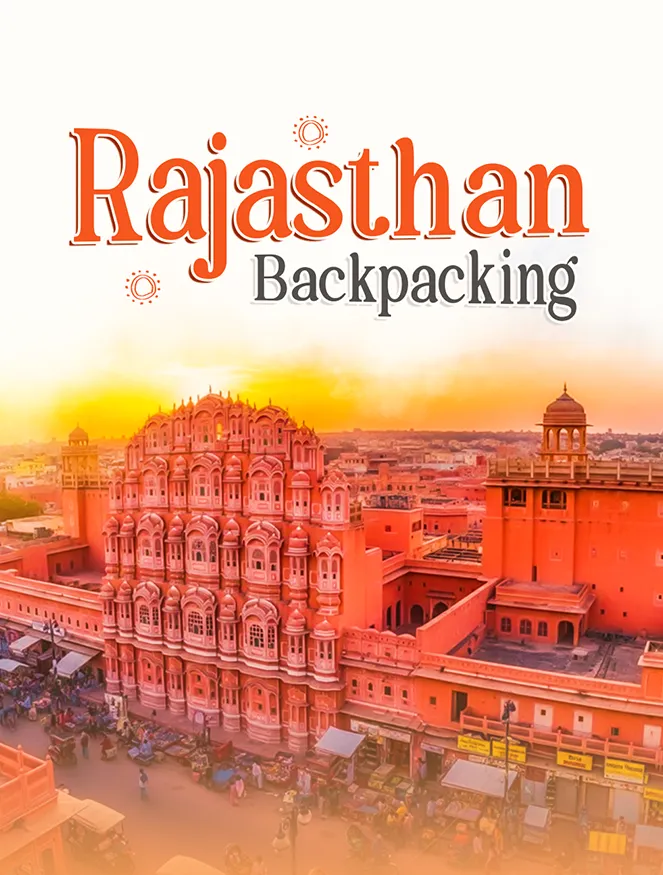
Jodhpur, Jaisalmer & Udaipur
Rajasthan Group Trip (Jodhpur, Jaisalmer, Udaipur)
From ₹8,999/-
per person
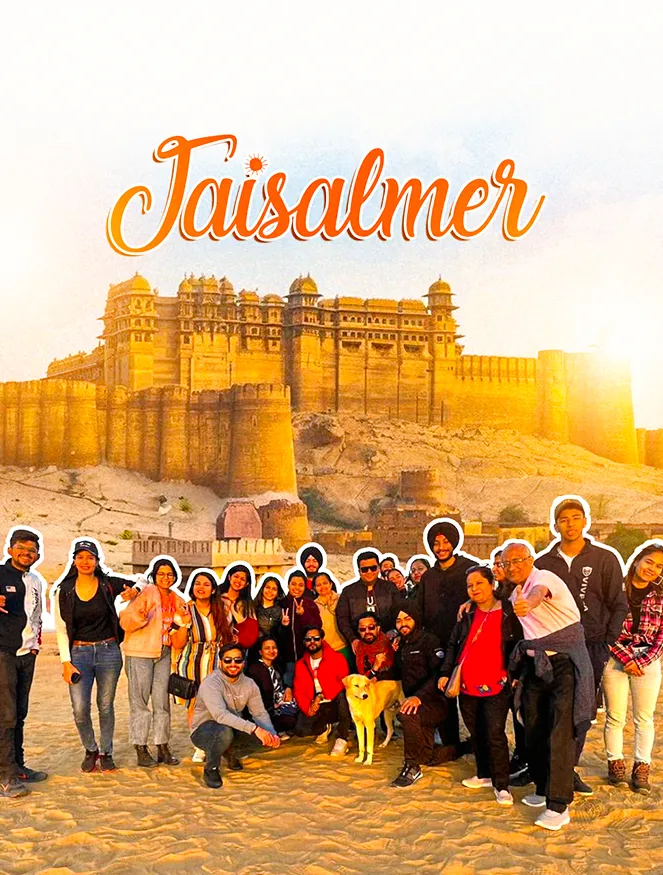
Jodhpur & Jaisalmer, Rajasthan
Jodhpur & Jaisalmer Trip
From ₹5,999/-
per person
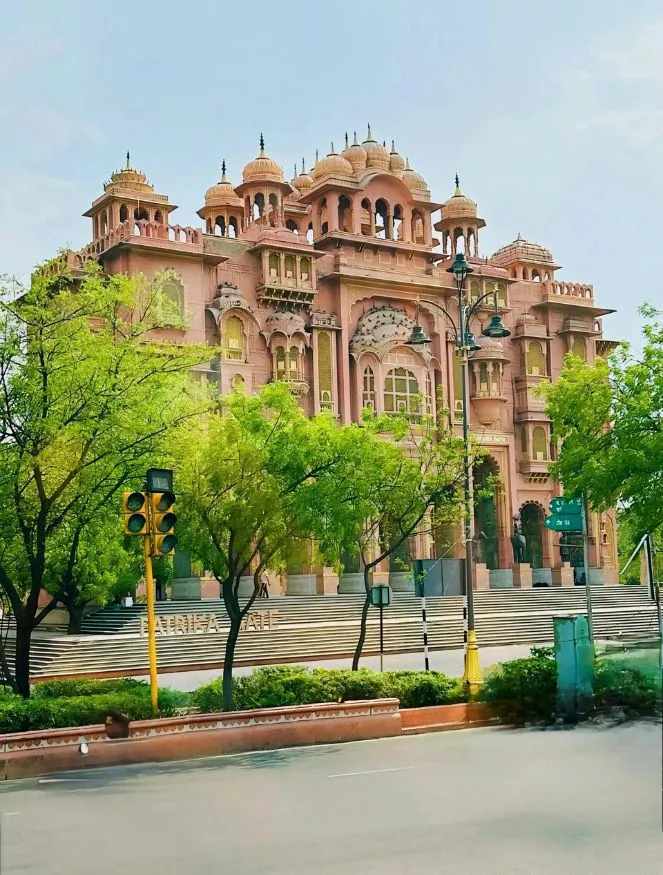
Jaipur & Ranthambore, Rajasthan
Jaipur with Ranthambore National Park
From ₹5,999/-
per person
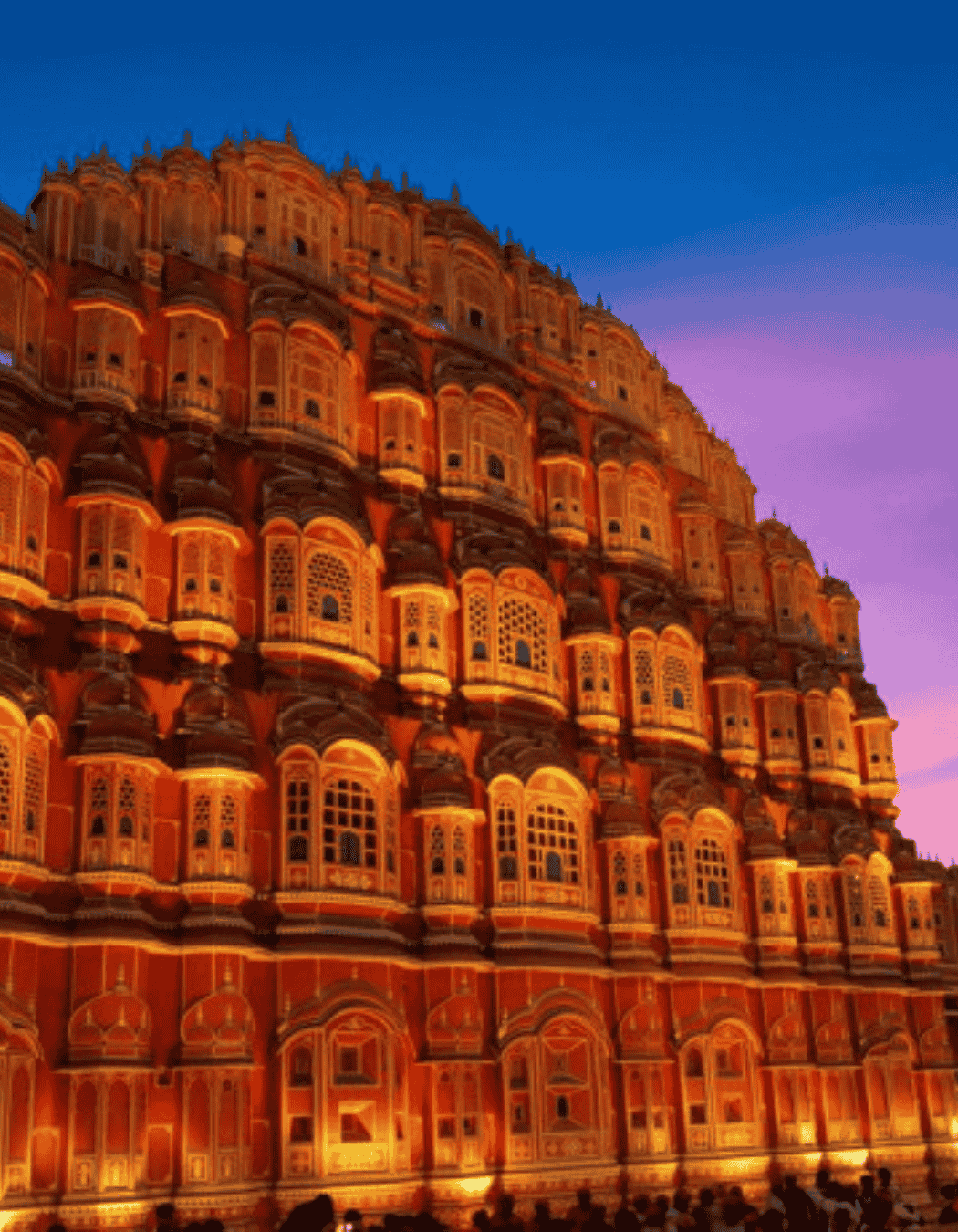
Jaipur & Pushkar, Rajasthan
Jaipur with Pushkar Desert Bashing
From ₹6,999/-
per person
728 × 90 — Leaderboard
❓ Frequently Asked Questions
Is Rajasthan good for a family trip?
Which cities are best in Rajasthan for families?
How many days are enough for a Rajasthan family trip?
Is Rajasthan safe for families?
What is the best time for a Rajasthan family holiday?
Is a desert camp suitable for kids?
Are Rajasthan forts easy for elderly parents?
Which Rajasthani dishes are good for kids?
Can we combine Ranthambore with Jaipur on a family trip?
Does TravelTech run Rajasthan group trips?
📚 Related Guides
More Travel Stories

Weekend Getaways from Delhi in Winter: 12 Best Places
Find the 12 best winter weekend getaways from Delhi, from Rishikesh and Jaipur to Lansdowne and Jim Corbett, with drive times, budgets and a 2-day plan.

Best Winter Treks in India 2026: 10 Snow Treks for Beginners
Compare the 10 best winter treks in India for 2026, from Kedarkantha and Brahmatal to Nag Tibba, with difficulty, routes, costs and a packing list.

Christmas Trip in India 2026: 8 Best Places to Celebrate
Find the best places for a Christmas trip in India in 2026, from Goa and Shillong to Kochi and Kashmir, with long weekend plans, budgets and booking tips.