

A complete guide to the Chopta–Tungnath–Chandrashila–Deoriatal trek: 5-day itinerary from Indore and Bhopal, difficulty, best time for snow, cost and packing list.
Quick answer: The Chopta–Tungnath–Chandrashila–Deoriatal trek is one of the easiest Himalayan treks in India and perfect for beginners. From Rishikesh it takes 4 to 5 days. The main trek is 3.5 km from Chopta to Tungnath, the highest Shiva temple in the world at about 3,680 metres, and another 1 to 1.5 km to the Chandrashila summit at around 4,000 metres, with 360-degree views of Chaukhamba, Nanda Devi and Trishul. December to March is best for snow, and April to May for blooming rhododendrons. Group treks start from ₹5,499 per person.
If you have never done a Himalayan trek and want to know what all the fuss is about, Chopta is where you start. The trail is short, the climb is steady rather than brutal, and the reward at the top is one of the best mountain views in the country. In winter, the meadows around Chopta are covered in snow and the whole route feels like a postcard.
We take groups from Indore, Bhopal and across India on this trek every season. This guide covers the route, the day-wise plan, how hard it really is, the best time to go, what it costs and what to pack.
Where is Chopta and why is it called Mini Switzerland?
Chopta is a small meadow settlement at around 2,680 metres in the Rudraprayag district of Uttarakhand, inside the Kedarnath Wildlife Sanctuary. There is no real town here, just a few dhabas, camps and homestays surrounded by forests of oak, deodar and rhododendron. People call it the Mini Switzerland of India because of its rolling bugyals (high meadows) with snow peaks behind them.
Chopta is the base for three experiences in one trip: the Tungnath temple, the Chandrashila summit and the Deoriatal lake. That is what makes it such good value for a short holiday.

Chopta trek at a glance
Detail | Information |
|---|---|
Base | Chopta, Uttarakhand (about 2,680 m) |
Highest point | Chandrashila summit (about 4,000 m) |
Tungnath trek | About 3.5 km one way from Chopta |
Chandrashila | About 1–1.5 km beyond Tungnath |
Deoriatal trek | About 2.5 km one way from Sari village |
Difficulty | Easy to moderate, good for beginners |
Duration | 4–5 days from Rishikesh |
Best time | December–March for snow, April–June for rhododendrons, October–November for clear skies |
How to reach Chopta from Indore and Bhopal
First reach Haridwar or Rishikesh. The easiest way from Indore, Ujjain or Bhopal is an overnight train to Haridwar or Delhi. From Rishikesh, Chopta is roughly 200 kilometres away, about 7 to 8 hours by road via Devprayag, Rudraprayag and Ukhimath. The road follows the Alaknanda river for a long stretch and is beautiful, but hilly, so carry motion-sickness medicine if you need it.
The nearest airport is Jolly Grant in Dehradun, and the nearest major railway stations are Haridwar and Rishikesh. Most groups travel in a tempo traveller from Rishikesh so everyone moves together.
5-day Chopta–Tungnath–Chandrashila–Deoriatal itinerary
Day 0: Indore or Bhopal to Haridwar
Board the overnight train with your group and Trip Captain. Dinner on the train. Overnight in transit.
Day 1: Haridwar or Rishikesh to Sari village
Meet the group in the morning and start the drive into the hills. Stop at Devprayag, where the Alaknanda and Bhagirathi rivers meet to form the Ganga, and you can clearly see the two different colours of water joining. Continue via Rudraprayag and Ukhimath to Sari village, the base for Deoriatal. Check into a homestay or camp, warm up with chai and enjoy a simple home-cooked dinner. Overnight in Sari.
Day 2: Deoriatal lake trek and drive to Chopta
After breakfast, trek about 2.5 kilometres uphill through forest to Deoriatal, a calm lake at around 2,400 metres. On a clear morning, the Chaukhamba peaks reflect perfectly in the water. Spend time at the lake, then trek back to Sari for lunch and drive to Chopta. Evening around a bonfire at the camp. Breakfast, lunch and dinner included. Overnight in Chopta.
Day 3: Tungnath and Chandrashila summit
The big day starts early, ideally before sunrise. The stone-paved trail to Tungnath climbs steadily through meadows and, in winter, through snow. It takes most people 2 to 3 hours. Tungnath is one of the Panch Kedar temples and is considered the highest Shiva temple in the world. From the temple, a steeper 1 to 1.5 kilometre climb takes you to the Chandrashila summit, where you get a full 360-degree view of peaks such as Chaukhamba, Nanda Devi, Trishul and Kedarnath. Descend to Chopta for a hot lunch and a well-earned rest. Overnight in Chopta.

Day 4: Chopta to Rishikesh
After breakfast, drive back to Rishikesh, reaching by evening. If there is time, catch the Ganga Aarti before you board the overnight train home. Read our Rishikesh trip guide if you want to add a rafting day.
Day 5: Back in Indore or Bhopal
Reach home in the morning with sore legs and a phone full of photos.
How difficult is the Chopta Tungnath trek?
The trek is easy to moderate. The trail to Tungnath is well marked and paved with stones, and the gain in height is gradual. The final climb to Chandrashila is steeper and can be slippery in snow, so take it slowly. Anyone with average fitness who can walk 5 to 6 kilometres on hilly ground can do it. To prepare, walk or jog for 30 to 40 minutes daily and climb stairs for two to three weeks before the trip.
In winter, the snow makes the trail harder and colder, and you may need micro-spikes on your shoes for icy stretches. Your Trip Captain and local guide will decide each morning whether the summit is safe.
Best time for the Chopta trek
Season | Months | What to expect |
|---|---|---|
Winter | December–March | Snow on the trail and meadows, very cold nights, clear blue skies, Tungnath temple doors closed |
Spring | April–June | Rhododendrons in bloom, pleasant days, temple open |
Monsoon | July–September | Rain, landslide risk on roads, cloudy views, lush green meadows |
Autumn | October–November | Crisp, clear mountain views, cold mornings |
Note for winter trekkers: Tungnath's temple doors usually close for winter around Diwali and reopen around April or May, when the deity is moved to Makkumath. You can still trek to the temple and Chandrashila in winter, but you will see the shrine from outside.
How cold is Chopta in winter?
Chopta is very cold in winter. Day temperatures in January are usually around 0°C to 8°C, and nights can drop to −5°C to −10°C, colder at Chandrashila. Camps and homestays provide thick blankets, but you need proper winter layers. After fresh snowfall, the road from Ukhimath to Chopta can close for a day, so good itineraries keep some flexibility.

How much does the Chopta trek cost?
A Chopta–Tungnath–Deoriatal group trek costs about ₹5,500 to ₹9,000 per person from Rishikesh or Haridwar, depending on the season and stay. That usually includes transport, camps or homestays, meals during the trek and a guide. Add ₹1,500 to ₹3,000 for return train tickets from Indore or Bhopal. Our Chopta, Tungnath and Deoriatal trek starts from ₹5,499 per person.
What to pack for the Chopta trek
Trekking shoes with good grip, broken in before the trip
Thermal inners, a fleece and a padded or down jacket for winter
Woollen cap, gloves and two pairs of woollen socks
A rain jacket or poncho, especially from April to September
A small daypack with a water bottle, snacks and a torch
Sunglasses and sunscreen for snow glare
Personal medicines, plus basics for headache, cold and motion sickness
Cash and a power bank, as there are no ATMs at Chopta and electricity can be limited
Tips from our Trip Captains
Start the summit day early. Mornings are clearest; clouds often come in by noon.
Walk at your own pace. This is not a race, and stopping to breathe is normal.
Drink water even when you are not thirsty. Cold air dehydrates you quickly.
Do not leave plastic behind. Chopta is inside a wildlife sanctuary, and the meadows are fragile.
Expect weak mobile network. Only some networks work at Chopta, and data is slow.
Is the Chopta trek good for first-timers and solo travellers?
Yes. Chopta is one of the best first treks in India, which is why it is so popular with college groups, solo travellers and people who have only done hill-station trips before. On TravelTech treks, girls share rooms and tents only with girls, an experienced Trip Captain and local guide walk with the group, and trips are smoke- and alcohol-free during travel. If you are joining alone, read our strangers trip guide and the solo trip for girls guide.
Chopta vs other beginner treks
Compared with Kheerganga near Kasol, Chopta has a better summit view and fewer crowds. Compared with Triund near McLeod Ganj, it is higher and feels more like a real Himalayan trek. If you want snow with a little more adventure, combine your trip knowledge with our winter Spiti Valley guide or try a Manali snow trip from our Manali trip from Indore guide. For a full list of winter ideas, see the best places to visit in December in India.
Book your Chopta trek with TravelTech
TravelTech is Central India's most trusted travel community, with more than 25,000 travellers over 8+ years and a 4.7★ Google rating. Our Chopta treks run with experienced Trip Captains, local guides, verified camps and 24x7 support. Book online with a 50% advance and pay the balance before the trip.
✈️ Related Trips from TravelTech
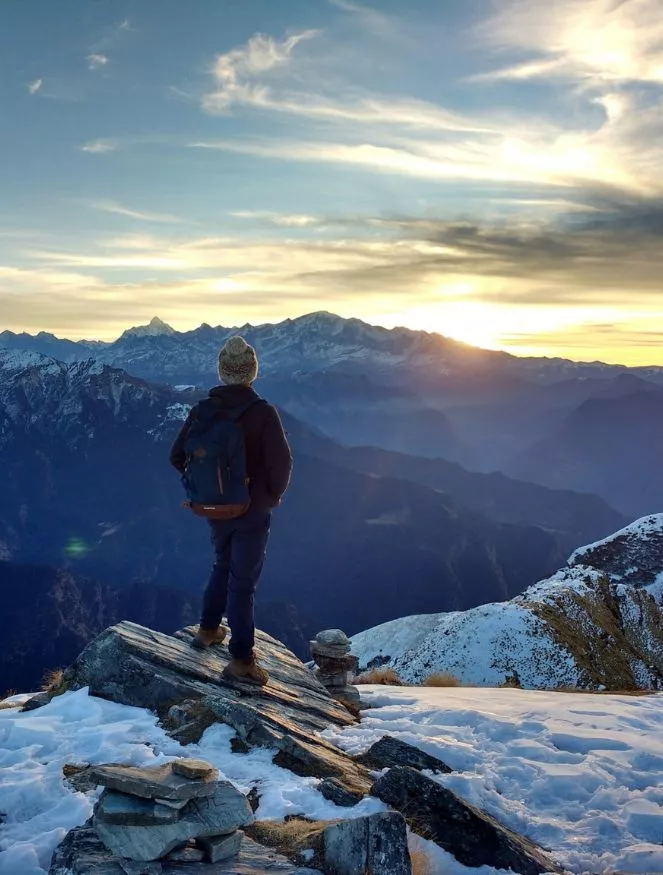
Chopta, Uttarakhand
Chopta, Tungnath & Deoriatal Trek
From ₹5,499/-
per person
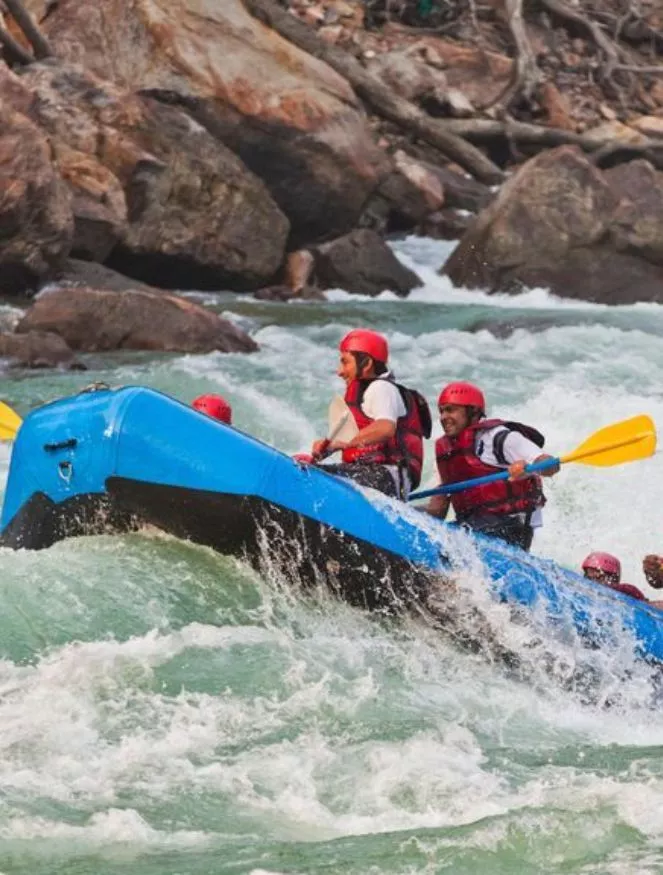
Rishikesh, Uttarakhand
Rishikesh, Mussoorie & Haridwar Strangers Trip
From ₹6,499/-
per person
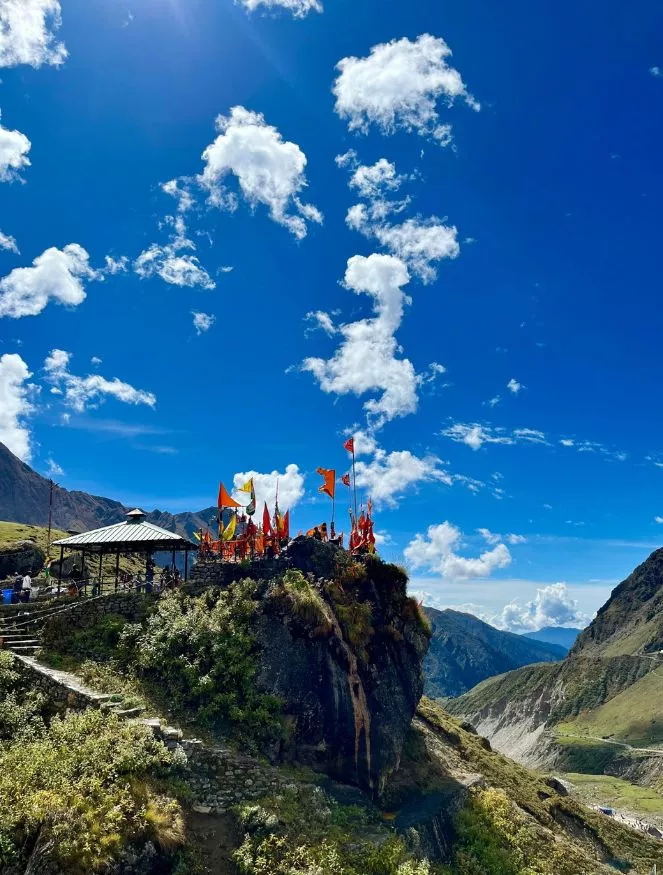
Uttarakhand
Uttarakhand Circuit – Rishikesh, Mussoorie, Nainital & Jim Corbett
From ₹16,099/-
per person
728 × 90 — Leaderboard
❓ Frequently Asked Questions
How difficult is the Chopta Tungnath trek?
How long is the Chopta to Tungnath trek?
What is the best time for the Chopta trek?
Is Tungnath temple open in winter?
How many days are needed for Chopta from Indore?
How much does the Chopta trek cost?
How cold is Chopta in January?
How do I reach Chopta from Rishikesh?
Is the Chopta trek safe for solo girls?
Is there mobile network in Chopta?
📚 Related Guides
More Travel Stories

Weekend Getaways from Delhi in Winter: 12 Best Places
Find the 12 best winter weekend getaways from Delhi, from Rishikesh and Jaipur to Lansdowne and Jim Corbett, with drive times, budgets and a 2-day plan.

Best Winter Treks in India 2026: 10 Snow Treks for Beginners
Compare the 10 best winter treks in India for 2026, from Kedarkantha and Brahmatal to Nag Tibba, with difficulty, routes, costs and a packing list.

Christmas Trip in India 2026: 8 Best Places to Celebrate
Find the best places for a Christmas trip in India in 2026, from Goa and Shillong to Kochi and Kashmir, with long weekend plans, budgets and booking tips.